How Many Spare Keys Should You Keep? A Simple Plan for Chicago Families

How Many Spare Keys Should You Keep? A Simple Plan for Chicago Families

Standing on your front porch in January, locked out in the cold, is a situation most Chicago families have faced at least once. It is almost always preventable. The right number of spare keys depends on your household size, your routines, and who needs reliable access to your property. This guide gives you a clear framework so you can plan ahead and avoid the stress of being caught without a backup.

Why Spare Keys Matter More in Chicago Than You Might Think

Chicago weather puts real pressure on daily routines. Commuters rushing to catch the Metra, parents managing school pickups across the suburbs, and renters in multi-unit buildings all face moments where a missing or forgotten key becomes a serious problem. Having the right number of copies distributed to the right people reduces disruption and keeps your household running smoothly. It also means you are not relying on a single point of failure for access to your home.

Spare keys are a practical safety net. If a household member loses a key or a situation changes, having a trusted backup already in place saves time and money. The goal is not to hand out keys freely but to plan deliberately so every copy has a clear purpose and a clear owner.

How Many Spare Keys Does the Average Chicago Household Need?

A good starting point for most Chicago families is two to three spare keys per exterior lock. Here is a simple breakdown of how to assign them:

  • One spare stays inside the home as an in-house backup.
  • One goes to a trusted person outside the household, such as a nearby family member or neighbor.
  • A third copy is worth having if your household includes a regular caregiver, dog walker, or anyone else who needs routine access.
  • Children old enough to carry a key should have at least one dedicated copy, kept separate from the parent’s set.

For families in Chicagoland suburbs with attached garages, do not overlook the garage entry door. That door needs the same spare key consideration as your front entry. If your home has a recently installed or upgraded lock, make sure your spare copies are cut from the new key profile, not an older version that may no longer work.

Where Should You Keep Your Spare Keys?

A spare key hidden under a doormat or inside a fake rock near the front door is not a security measure. Those hiding spots are well known and easy to find. A better approach is to leave a copy with a neighbor you trust or a nearby family member who can be reached during business hours. If you want an on-property backup, a locked key storage box mounted in a discreet location and secured with a combination is a reasonable option.

Whatever your arrangement, write it down and make sure every adult in the household knows the plan. It does not help if only one person knows where the backup key lives.

What to Do When You Have Too Many Keys in Circulation

Over time, most households accumulate more keys than they intended. Former houseguests, old neighbors, previous nannies, or contractors may still have copies of your house key. If you cannot account for every key you have given out, consider a professional lock rekeying rather than replacing the hardware entirely. Rekeying changes the internal pins of the lock cylinder so that old keys stop working, while your new set of copies starts fresh.

We have handled rekeying jobs across Chicago and the Chicagoland suburbs for families in exactly this situation. Customers who have moved into a new home, ended a relationship, or lost track of distributed keys find that rekeying gives them a clean starting point. The work comes with a 6-month labor warranty and a 1-year parts warranty.

Getting Reliable Copies Made for Your Chicago Home

Not all key copies are created equal. A poorly cut duplicate can wear down your lock cylinder over time or fail at the worst moment. Professional key duplication at a staffed locksmith storefront gives you a more accurate cut than a self-service kiosk. Our storefronts in Wheaton and Elk Grove Village carry a wide range of key blanks, including specialty and hard-to-find profiles. We test and verify keys before you leave, so you know the copy works before you rely on it.

If your home uses a smart lock or keypad entry system, physical spare keys may still be relevant for backup access during a power outage or device failure. Ask us what your specific smart lock model requires for emergency access.

Building a Simple Spare Key Plan That Sticks

A spare key plan does not need to be complicated. Follow these steps to get organized:

  • Count your exterior entry points and identify who genuinely needs regular access.
  • Cut one copy per person with a legitimate need and keep one spare inside the home.
  • Store an additional backup with a trusted contact outside the household.
  • Review the plan once a year or any time your household situation changes, such as after a move or a new caregiver arrangement.

Quick Key Locksmith and Security has been serving Chicago and the Chicagoland area since 2013. Whether you need key duplication, a lock rekeyed, or guidance on your home security setup, our team is available by phone or at our walk-in storefronts in Wheaton and Elk Grove Village. We also provide mobile service across Chicago and the surrounding suburbs. Contact Quick Key to get started.
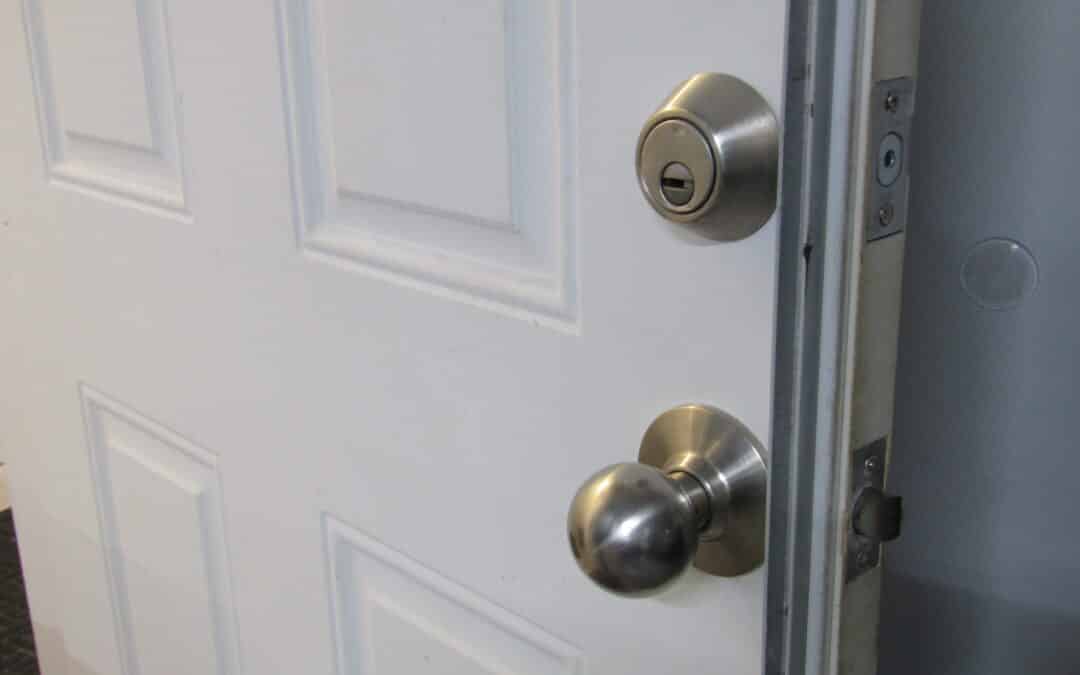
Why Your Deadbolt Feels “Stiff”: Causes and Fixes for Chicago Door Locks

Why Your Deadbolt Feels “Stiff”: Causes and Fixes for Chicago Door Locks

That grinding resistance when you turn your key is easy to ignore, but a deadbolt that catches, drags, or requires extra force to throw is telling you something is wrong. In Chicago and the surrounding suburbs, stiff deadbolts are a frequent complaint from homeowners and renters, particularly after harsh winters or in buildings that have settled over time. Knowing the likely cause helps you decide between a quick DIY fix and a professional inspection. At Quick Key Locksmith and Security, we have been diagnosing and correcting these issues across the Chicago area since 2013.

How Chicago Weather Puts Stress on Your Deadbolt

Chicago’s climate is hard on doors and the hardware attached to them. Wood doors absorb moisture during humid summers and contract during dry, cold winters. That movement shifts the door in the frame, and the bolt hole in the strike plate moves with it. When the bolt no longer lines up cleanly with the strike plate opening, it drags against the plate instead of sliding through it. Metal door frames can also warp slightly under extreme temperature swings. If your deadbolt started feeling stiff around a seasonal change, weather-related movement is very likely the cause. Our post on how Chicago’s winter weather affects door locks covers this in more detail.

What Does a Worn or Dry Lock Cylinder Feel Like?

Sometimes the problem lives inside the cylinder rather than at the door frame. Over years of use, internal pins and springs wear down, collect debris, or dry out from lack of lubrication. Common signs of a worn or dry cylinder include:

  • A gritty or inconsistent feeling when turning the key
  • Stiffness that gets noticeably worse in cold temperatures
  • A key that occasionally sticks inside the keyway
  • Smooth operation with the thumb turn but resistance with the key, or the reverse

Applying a graphite-based or Teflon-based dry lubricant to the keyway can help in mild cases. If the stiffness continues, the cylinder may need professional service or replacement. We can inspect the cylinder and recommend the right course of action based on what we find through our lock repair or replacement service.

Strike Plate and Door Frame Misalignment: A Common Fix

The strike plate is the metal plate mounted to the door frame that the bolt slides into when the deadbolt is locked. If the plate shifts even a small amount due to settling, hinge wear, or frame movement, the bolt will scrape the edge of the opening rather than entering cleanly. You can often spot this by watching the bolt as you turn the key. If it catches on the top or bottom edge of the strike plate, misalignment is the likely cause.

A locksmith can adjust the strike plate position or enlarge the opening slightly so the bolt seats properly. One Chicago homeowner came to us with a deadbolt that had been stiff for two winters. The strike plate had shifted nearly a quarter inch from frame settling, a straightforward fix once identified. For related issues, see our post on identifying door jamb damage that makes locks fail.

Could the Deadbolt Itself Be the Problem?

Deadbolts have a service life, and an aging bolt mechanism can develop internal stiffness on its own. The bolt may be corroded, the internal spring may be weakening, or the tailpiece connecting the thumb turn to the bolt may be worn. Exterior deadbolts face years of temperature extremes, moisture, and physical stress. If your deadbolt is more than ten years old and consistently stiff, replacement is often the more practical path. Our lock installation and repair page outlines options for both standard and high-security deadbolt upgrades.

When Rekeying or Upgrading Makes More Sense Than Repairing

A stiff deadbolt is a good moment to ask whether the lock still fits your security needs. If you are dealing with a stiff deadbolt after a change in tenancy or ownership, rekeying can address the security side while a technician inspects the hardware for wear at the same time. Rekeying changes the internal pins so that old keys no longer work, without requiring a full replacement. If the lock body is worn or undersized for the door, a better-grade deadbolt may serve you well long term. Our guide on whether it is better to rekey or change locks breaks down the decision clearly.

Getting Your Chicago Deadbolt Diagnosed and Fixed

A stiff deadbolt rarely fixes itself, and waiting too long can turn a minor adjustment into a full lock failure. The most reliable approach is a professional inspection that looks at the lock, the door, and the frame together, because the cause is often a combination of factors. Quick Key Locksmith and Security serves homeowners, renters, and property managers across Chicago and the Chicagoland suburbs. We offer mobile service during business hours and two walk-in storefronts in Wheaton and Elk Grove Village. Our work is backed by a 6-month labor warranty and a 1-year parts warranty. Contact Quick Key to schedule a lock inspection or stop by either storefront during business hours.

Lock Cylinder Problems Explained: Signs Your Chicago Door Lock is Wearing Out

Lock Cylinder Problems Explained: Signs Your Chicago Door Lock is Wearing Out

Your door lock is something you use every day without much thought until it starts giving you trouble. A key that stiffens up, a cylinder that wobbles, or a lock that takes multiple tries to turn are all signals that something is wearing down inside. Catching lock cylinder wear signs in Chicago, IL early can prevent a full lockout or a security gap. Here is what to watch for and what to do when the signs appear.

What Is a Lock Cylinder and Why Does It Wear Out?

The lock cylinder is the part of your lock that accepts the key. Inside, a series of spring-loaded pins align with the cuts on your key to allow the lock to turn. Over time, those pins, springs, and the inner sleeve all experience friction. In Chicago, seasonal temperature swings and humidity changes accelerate this process. A residential front door opened multiple times daily puts real cumulative stress on the cylinder. Commercial properties with high foot traffic see this wear even faster.

Key Feels Stiff or Hard to Turn

One of the earliest lock cylinder wear signs in Chicago, IL is a key that requires noticeably more force to turn than it used to. If you find yourself pushing, jiggling, or applying extra pressure, the internal pins or the cylinder housing may be worn or misaligned. Worn pins lose their ability to spring back cleanly, which creates drag as the key moves through the cylinder. In colder months, this symptom can be mistaken for a weather-related issue, but if it persists through warmer seasons, the cylinder is the more likely culprit. We can inspect the cylinder and determine whether lubrication, rekeying, or full replacement is the right call.

The Key Turns but the Lock Does Not Engage Fully

A worn cylinder can reach a point where the key turns freely but the bolt or latch does not move as it should. This happens when the cam or tailpiece at the back of the cylinder becomes too worn to transfer rotational force properly. Common signs at this stage include:

  • A clicking sound when turning the key
  • The cylinder spinning without resistance
  • The door appearing locked while offering little actual resistance
  • The bolt failing to extend or retract fully

This is a more advanced stage of wear. Replacing the cylinder at this point is typically the most reliable fix, and we can match the new cylinder to your existing hardware or recommend an upgrade.

Key Inserts or Removes Loosely, or Gets Stuck

A cylinder in good condition holds the key snugly and releases it cleanly. When a cylinder is wearing out, you may notice the key feels loose inside the lock, rattles slightly, or requires an odd angle to remove. A worn cylinder may also grip the key too tightly, making removal difficult or causing the key to break inside the lock. Chicago homeowners who have experienced a broken key stuck in a lock often trace the root cause back to a cylinder showing these subtle signs for some time. Addressing the cylinder before a key breaks saves both the cost and inconvenience of an extraction.

Visible Wear, Wobble, or Damage Around the Cylinder

Physical inspection can reveal wear that is not yet causing operational problems. Watch for these warning signs:

  • The cylinder wobbles when you insert the key
  • A retaining clip has loosened or come free
  • Visible scoring or scratches around the keyway
  • Signs of forced entry or tampering around the cylinder face

In commercial settings, high-traffic cylinders on storefront doors or office entries can show this kind of wear within a few years of installation, particularly with standard-grade hardware. Upgrading to a higher-security cylinder in these applications is worth considering. We have helped property managers and business owners across Chicago identify cylinders that looked functional but were no longer providing adequate security.

When to Rekey vs. When to Replace the Cylinder

Not every lock cylinder problem calls for full replacement. If the cylinder is structurally sound but you are concerned about key control, professional lock rekeying changes the internal pins so old keys no longer work without touching the cylinder housing. Rekeying is a cost-effective option after a move, a staff change, or a lost key situation. However, if the cylinder shows physical wear or mechanical failure, rekeying will not resolve the underlying issue. In those cases, lock installation or repair is the right path. For businesses, commercial locksmith support includes cylinder replacement as part of a broader security review.

Get a Professional Assessment Before the Lock Fails Completely

Lock cylinder wear is gradual, and most people wait too long to address it. If your key feels different than it did a year ago, if the lock takes more effort to operate, or if you have noticed rattling or sticking, those are signals worth acting on before they become a full lockout. Quick Key Locksmith and Security has been serving Chicago and the Chicagoland area since 2013, with mobile service to homes and businesses across the region and two walk-in storefronts in Wheaton and Elk Grove Village. Our work is backed by a 6-month labor warranty and a 1-year parts warranty. Contact us by phone or stop by either storefront during business hours to schedule a cylinder inspection or residential locksmith service.

Door Strike Plate Problems: How Chicago Homes Lose Security Over Time

Your deadbolt might be locked, but if the strike plate behind it is loose or pulling away from the frame, your door is not as secure as it looks. Strike plate problems home security Chicago IL residents face are often invisible until a door fails at the worst possible moment. Understanding how this happens and what to do about it is one of the most practical steps a homeowner can take.

What a Strike Plate Actually Does

The strike plate is the metal plate mounted to your door frame that receives the bolt or latch from the lock. When you turn the deadbolt, the bolt slides into a hole in the strike plate and anchors the door to the frame. Without a properly secured strike plate, the bolt has nothing solid to hold against. A lock that appears fully engaged can still fail if the plate behind it is loose, shallow, or attached with screws that are too short to reach solid wood.

Most builder-grade strike plates are installed with screws that are only three-quarters of an inch to one inch long. Those screws anchor into the door frame trim, not into the structural framing behind it. Over time, wood shifts, screws work loose, and the plate begins to move. A door that once felt solid starts to give slightly when pushed, which is a clear warning sign.

How Chicago’s Climate Accelerates Strike Plate Wear

Chicago’s seasonal temperature swings put unusual stress on door frames. Wood expands in summer humidity and contracts during dry winter cold. That repeated movement works against the screws holding the strike plate in place, slowly loosening the connection year after year. Older Chicago homes, particularly those built before the 1980s, often have original door frames that have gone through decades of this expansion and contraction. The wood around the strike plate mortise can become compressed or cracked, leaving screws with less material to grip. The seasonal door alignment issues Chicago homeowners experience are directly connected to how well a strike plate holds up over time.

Signs Your Strike Plate Is No Longer Doing Its Job

Several physical signs indicate a strike plate has weakened. Catching these early can prevent a much larger problem:

  • The bolt misses the hole on the first try or requires you to lift the door handle to engage
  • The strike plate visibly flexes or creaks when you push on the door
  • Paint buildup around the plate has reduced the mortise depth, preventing a flush fit
  • The door rattles in winter or sticks in summer, signaling frame and hardware misalignment

A strike plate that has pulled away even a small amount changes how the bolt seats. Instead of the full bolt depth engaging solid metal and wood, only the leading edge makes contact. That reduced engagement dramatically lowers the force needed to kick a door open. Door kick-in failures trace back to the frame and strike plate far more often than to the lock cylinder itself.

What a Proper Strike Plate Repair or Upgrade Involves

Correcting a weak strike plate requires the right materials and an understanding of what is behind the trim. The standard fix involves replacing short screws with three-inch screws that pass through the door frame trim and anchor into the structural framing stud behind it. In cases where the mortise has been damaged or the wood has deteriorated, we may also fill and reinforce the area before reinstalling the hardware.

Upgrading to a heavy-duty reinforced strike plate with a deeper box design provides additional protection. These plates have a recessed pocket that accepts the full bolt depth and distributes force across a larger area of the frame. Combined with longer anchor screws, they create a connection that is significantly more resistant to forced entry than a standard flat plate.

If your door has experienced damage from a previous forced entry attempt or a hard slam, the frame itself may need attention. Door jamb damage in Chicago homes often goes unnoticed but directly affects how well any lock and strike plate combination performs. Pairing strike plate work with a frame inspection gives you a complete picture of where the door system stands.

When to Call a Locksmith Instead of DIYing the Fix

Some homeowners attempt to tighten or replace a strike plate on their own, and in straightforward cases that can work. But there are situations where a professional assessment is the better choice:

  • The frame wood is soft, cracked, or has been previously repaired
  • The door is misaligned and the bolt is not tracking cleanly into the plate
  • The lock itself is aging and may not be worth pairing with new hardware
  • You want confirmation that the full door system is performing as it should

We can evaluate whether the existing lock is worth keeping or whether the combination of an aging lock and a compromised strike plate makes a full replacement the smarter investment. Professional lock installation and repair in Chicago covers the full door system, including hardware alignment, frame condition, and the right product for the door type. For homeowners who want to go further, high-security deadbolts paired with reinforced strike plates provide a meaningful upgrade in resistance.

Protect Your Chicago Home Before a Problem Becomes a Crisis

Strike plate problems home security Chicago IL homeowners face develop gradually, which is exactly what makes them easy to overlook. Checking your strike plates, testing how the bolt seats, and looking for any flex in the frame are simple steps that can reveal issues worth addressing before they become urgent.

Quick Key Locksmith and Security has been serving Chicago and the Chicagoland area since 2013. We assess the full door system, not just the lock, and we back our work with a six-month labor warranty and a one-year parts warranty. Reach us by phone or stop by our walk-in storefronts in Wheaton or Elk Grove Village during business hours. We also provide mobile service to homes across Chicago and the surrounding suburbs. Contact Quick Key to schedule a door security assessment at your home.

Front Door Won’t Close in Winter: Chicago Weather Issues That Affect Door Locks

Front Door Won’t Close in Winter: Chicago Weather Issues That Affect Door Locks

Winter in Chicago brings its own set of challenges, particularly when it comes to home maintenance. One of the most frustrating problems homeowners face is a front door that won’t close properly. The city’s harsh weather conditions can significantly impact door frames, locks, and other hardware.

Ignoring these seasonal issues can lead to more serious problems, such as increased energy bills and potential security risks. At Quick Key Locksmith & Security in Chicagoland, we offer services such as door reinforcement, lock adjustment, and repairs to ensure doors close securely and function effectively all winter long.

Understanding the Impact of Chicago’s Winters

Chicago’s winter is notorious for its freezing temperatures and heavy snowfall. These conditions can cause door materials to expand or contract, leading to misalignment. When your door becomes warped, it may not latch properly, creating gaps that allow drafts or water to enter.

As temperatures drop, lubrication within lock mechanisms can become less effective, causing them to seize or operate sluggishly. Checking latch alignment before you assume the lock failed helps avoid more complicated repairs or even replacement.

Common Winter Door Issues

One frequent issue is the swelling of door frames due to moisture exposure, which prevents doors from closing. If left unchecked, this can damage the door jamb and hardware, possibly leading to costly repairs.

Frozen locks are another problem; moisture can freeze inside the lock, rendering it inoperable. Ensuring locks are dry and well-maintained can prevent such situations. Replacing ineffective seals can also help avoid both drafts and lock seizure.

Importance of Regular Maintenance

Regular maintenance can mitigate many winter door issues. Weatherstripping, hinges, and seals often require attention to ensure they function properly despite harsh weather. Periodic inspections can catch any small issues before they escalate.

Neglected misalignments or damages can compromise the door’s security and energy efficiency. Annual frame alignment checks can prevent progressive wear and additional repair needs.

Door Jamb and Frame Considerations

The door jamb often bears the brunt of temperature fluctuations, which can weaken its structural integrity. Adjusting the door jamb is vital to correct minor misalignments and prevent cracks or breaks.

Exposure to cold weather can stiffen door frames, making it hard to close them without excessive force. Identifying signs of warping may indicate if reinforcement or replacement is needed to maintain safety and functionality.

Services Offered by Quick Key

At Quick Key Locksmith & Security, we provide a range of services to combat winter-specific door issues, including door jamb reinforcement and hinge repair. Replacing worn-out weatherstripping helps prevent drafts and lock malfunctions.

Professional assessments and interventions reduce the risk of damage to doors and locks. Early issue diagnosis ensures your home remains comfortable and secure throughout the winter.

When to Call a Professional

Increased difficulty in operating your door or suspected lock malfunctions may require professional consultation. Misalignments can indicate broader issues needing expert attention.

Mismanaging repairs can worsen the problem, potentially compromising home security. Trusting Quick Key Locksmith & Security in Chicago, IL ensures issues are addressed accurately.

Contact Quick Key Locksmith & Security

If your front door won’t close this winter, Quick Key Locksmith & Security is ready to help. We address door alignment and lock functionality issues, ensuring your Chicagoland home is secure and energy-efficient. Prompt attention can prevent escalating costs.

Contact Quick Key Locksmith & Security in Chicago, IL for expert door repair and lock services. Call us for lock adjustment or replacement services to keep your home’s entryway functioning smoothly this winter without further damage risk.

Lost Mailbox Key in Chicago: Options Before You Replace the Whole Mailbox Lock

Lost Mailbox Key in Chicago: Options Before You Replace the Whole Mailbox Lock

Living in Chicago, a lost mailbox key can be a frustrating issue. Instead of replacing the entire lock, consider steps like rekeying to regain access. Quick Key Locksmith & Security offers several options to help you without changing the whole lock, saving you time and money.

Mishandling a lost mailbox key can lead to unnecessary expenses if your mail becomes accessible to others. Fortunately, Quick Key Locksmith & Security provides solutions such as lock rekeying and repairs to prepare your mailbox for use again without full replacement.

Understanding the Lost Mailbox Key Dilemma

Losing your mailbox key might seem minor but becomes significant when you need mail access. In Chicago, Quick Key Locksmith & Security can help with services like unlocking or rekeying, addressing the issue without needing new hardware.

Rekeying alters the lock to work with a new key, rendering the old key useless. Incorrect rekeying can result in malfunction or damage, which is why professional help ensures the job is done right.

The Solution of Rekeying Your Mailbox Lock

Rekeying adjusts the lock’s internal mechanics for a new key, offering a cost-effective alternative to replacement. At Quick Key Locksmith & Security, locksmiths assess the lock’s condition to choose the best option and execute it properly.

Inspecting the lock is crucial as excessive force during rekeying can cause damage. Expert locksmiths ensure the lock works smoothly with new keys, avoiding any unwelcome complications.

Repairing Your Existing Lock Instead of Replacing

Sometimes, a lock doesn’t need rekeying but a simple repair. If a mailbox lock is jammed or hard to turn, Quick Key Locksmith & Security can effectively address these issues. Full replacement isn’t always necessary if minor repairs can fix the problem.

Incorrect repairs might cause further issues, so locksmiths ensure correct alignment and adjustment of components, preserving the lock’s function.

Replacing a Mailbox Lock: When It’s Necessary

When other methods aren’t viable, replacing the mailbox lock is necessary. Old or worn locks compromise security. Quick Key Locksmith & Security offers replacement using secure solutions for Chicago residents.

Each replacement should suit the mailbox type and security needs. Incorrect component matching can reduce effectiveness, so professional fitting is essential.

Importance of Spare Keys to Prevent Future Issues

Having spare keys is a preventive measure. Quick Key Locksmith & Security offers key duplication services, keeping a backup ready if the primary key is lost.

Test duplicate keys for durability and compatibility. Mismatched keys can result in wear on the lock over time, so this check ensures continued smooth operation.

Technician Advice: Key Fob Battery Check

Check latch alignment before you assume the lock failed.

The Role of Professional Locksmiths

Relying on professional locksmiths like Quick Key Locksmith & Security ensures accurate service for any key or lock issue. With technical knowledge, locksmiths in Chicago manage rekey, repair, or replacement with precision.

Choose locksmiths based on quality service and problem diagnosis. Poorly handled interventions lead to complications, but expert evaluations improve security solutions.

Contact Quick Key Locksmith & Security for Mailbox Solutions

If facing a lost mailbox key, Quick Key Locksmith & Security can assess the problem. We inspect latch alignment and the lock’s functionality, ensuring it works correctly for security.

Quick Key Locksmith & Security in Chicago, IL offers expert mailbox lock rekeying or replacement. Contact us for access restoration or lock upgrades without compromising security or cost-effectiveness.

Call Now Button