Lakeview, IL Window Lock Upgrades: Where They Add Real Home Security

Lakeview, IL Window Lock Upgrades: Where They Add Real Home Security

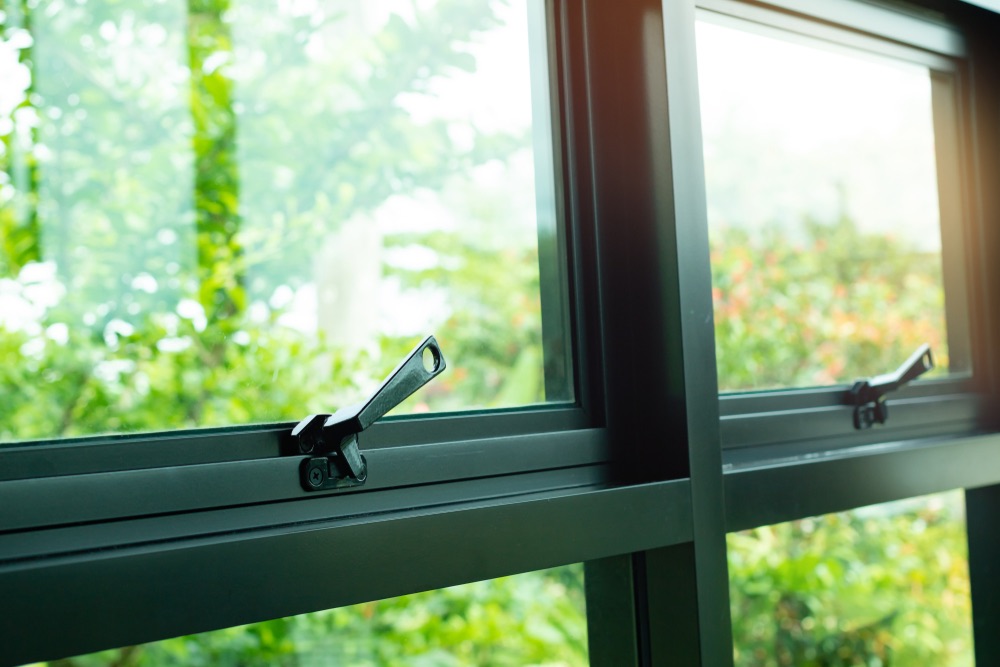
Windows are one of the most overlooked vulnerabilities in home security. The latches that come standard on most windows are built to keep a window closed, not to resist forced entry. If you live in a Lakeview greystone, vintage two-flat, or newer condo, window lock upgrades in Lakeview, Chicago are worth a serious look. Knowing where to prioritize them and what to replace them with makes the difference between a meaningful improvement and money spent in the wrong places.

Why Standard Window Latches Fall Short

The latches installed on most windows are made from lightweight zinc or plastic and held in place by small screws that go into the window frame. A firm push or a simple pry tool can defeat them in seconds. According to the Bureau of Justice Statistics, a meaningful share of residential burglaries involve entry through a window. In a dense neighborhood like Lakeview, where homes sit close together and alleys run behind many properties, rear and side windows that are out of immediate sightlines deserve extra attention. Upgrading the locking hardware on those windows closes a real vulnerability that a strong front door deadbolt simply cannot address.

Which Windows in a Lakeview Home Need Upgrades First

Not every window carries the same risk level, so a practical approach starts with a simple assessment. Prioritize these locations first:

  • Ground-floor windows facing a gangway, alley, or side yard with limited street visibility
  • Basement windows, which are among the most exploited entry points in older Chicago homes
  • Windows near a flat porch roof or fire escape that provide easy elevated access
  • Any window with an original or builder-grade latch in older Lakeview building stock

Starting your upgrade plan with these locations gives you the most security return for the work involved.

What Window Lock Upgrades Actually Involve

A window lock upgrade typically means replacing or supplementing the existing latch with hardware that resists both prying and lifting. Common and effective options include:

  • Keyed sash locks for double-hung windows
  • Pin locks that prevent a window from being raised even if the latch is defeated
  • Track locks and foot bolts for sliding windows and sliding glass doors
  • Multipoint locking systems that engage multiple points along the frame simultaneously

Professional lock installation ensures the hardware is fitted correctly and that the window frame is not weakened in the process, which matters in older wood-frame windows common in Lakeview buildings.

How Window Security Fits Into a Broader Home Security Plan

Window lock upgrades work best as part of a layered approach to residential security rather than a standalone fix. A home that has strong window hardware but a compromised door frame or an aging deadbolt still has gaps that can be exploited. Lakeview homeowners who have recently moved in, gone through a change in household, or noticed signs of tampering around any entry point should consider a full security review. Our residential locksmith technicians can assess door hardware, frame condition, and window latches together during a single visit and give you a clear picture of where your home stands before recommending any upgrades.

Smart Lock Options for Ground-Floor Windows and Patio Doors

For homeowners who want to go beyond mechanical upgrades, smart lock technology now extends to some window and patio door applications. Sensor-based window alarms can alert you when a window is opened or broken and integrate with broader home security platforms. For sliding patio doors, which are common in Lakeview garden apartments and rear additions, a combination of a quality track lock and a smart lock installation on the adjacent door creates a more complete barrier. We can walk you through which options are compatible with your existing frames and recommend hardware that fits your home and budget.

Getting the Right Help for Lakeview Window Lock Upgrades

Window lock upgrades in Lakeview, Chicago are a practical investment that pays off most when the work is done correctly and the right hardware is chosen for each window type. Quick Key Locksmith and Security has been serving Chicago and the Chicagoland area since 2013, and our technicians work with residential hardware across a wide range of window styles, building ages, and security needs. We back our labor with a 6-month warranty and parts with a 1-year warranty. Whether you want to address a few high-priority windows or complete a full home security review, we can help. Contact Quick Key to schedule service, stop by our storefronts in Wheaton or Elk Grove Village, or reach us by phone. We provide locksmith services throughout Lakeview and across Chicago and the Chicagoland area with mobile service to your door.
Lincoln Park, IL Patio Door Lock Problems: Common Causes and Practical Fixes

Lincoln Park, IL Patio Door Lock Problems: Common Causes and Practical Fixes

A patio door that refuses to latch, a handle that wobbles, or a lock that only engages when you jiggle the key are problems that Lincoln Park homeowners deal with more than they should. Chicago’s climate, aging hardware, and daily use all take a toll on patio door locks, and what starts as a minor nuisance can quietly become a real security gap. This guide covers the most common causes and what you can do about each one.

Why Chicago’s Climate Puts Extra Stress on Patio Door Locks

Lincoln Park sits close to Lake Michigan, which means the neighborhood experiences significant humidity in summer and deep cold in winter. Both conditions affect patio door hardware directly. Wood and vinyl door frames expand when moisture levels are high, which can push the door out of alignment and make the lock cylinder or latch bolt bind against the strike. In winter, the same frames contract, sometimes leaving gaps that allow the latch to rattle or fail to engage fully. Metal lock components can also develop surface corrosion from lake-area moisture over time, which stiffens the internal mechanism. If your patio door lock has become noticeably harder to use over the past year, seasonal movement is often the first place to look.

What Causes a Patio Door Latch to Stop Catching?

A latch that no longer catches the strike plate is one of the most reported patio door lock problems in Lincoln Park Chicago homes. Common reasons this happens include:

  • The door has shifted in its frame due to building settlement or moisture absorption
  • The strike plate is no longer aligned with the latch bolt
  • Worn or dirty bottom rollers have caused the door panel to drop
  • The latch mechanism itself has worn down from years of use

The fix sometimes involves adjusting the strike plate by loosening its screws and shifting it slightly in the direction the latch needs to travel. If the misalignment is more significant, the door rollers may need attention instead. Cleaning or replacing the rollers often resolves a latching problem that looks like a lock issue on the surface.

Handle and Cylinder Problems on Patio Doors

Patio door handles and lock cylinders wear out with regular use, and the hardware on older Lincoln Park homes is sometimes decades old. A handle that feels loose or wobbles usually means the mounting screws have backed out or the internal cam that drives the latch has worn down. Tightening the mounting hardware is a straightforward first step, but if the handle continues to feel sloppy, the lock body itself may need replacement. Lock cylinders can also wear to the point where the key turns but does not fully retract the latch. If you find yourself lifting the handle to get the lock to engage, the cylinder is likely at the end of its service life. A professional lock installation or repair ensures the new hardware is properly fitted and operates smoothly from day one.

Multipoint Lock Systems and Why They Fail

Many newer patio doors in Lincoln Park condos and townhomes use multipoint locking systems, which engage the door at multiple points along the frame when you lift the handle and turn the key. These systems provide better security than a single-point latch, but they also have more components that can fail. The most common complaint is a handle that is difficult or impossible to lift, which prevents the locking points from engaging. This usually means the door is not sitting squarely in the frame, putting mechanical stress on the multipoint mechanism, or the internal gearbox that drives the locking rods has worn out. We regularly service multipoint lock systems across Chicago. You can read more about these systems on our multipoint lock installation and repair page.

When a Patio Door Lock Problem Becomes a Security Issue

A patio door that does not lock fully is a vulnerability that experienced burglars recognize and exploit. Research from the FBI’s Uniform Crime Reporting program consistently shows that doors are the primary entry point in residential break-ins, and patio doors are among the most targeted because they are often less visible from the street. If your patio door lock has failed completely, or if the door can be lifted off its track from the outside, the problem needs professional attention before the next time you leave home.

Practical Fixes and When to Call a Locksmith

Some patio door lock problems have straightforward DIY solutions. Good starting points include:

  • Cleaning the track and rollers to restore smooth door movement
  • Tightening loose handle screws
  • Applying a dry lubricant to the lock cylinder
  • Adjusting the strike plate position if the latch is slightly misaligned

However, if the door frame itself has shifted, if the multipoint mechanism has failed, or if the lock cylinder is worn beyond adjustment, a professional repair is the right call. Attempting to force a binding multipoint system or install a replacement lock body without the correct tools can cause further damage to the door panel or frame. We provide residential locksmith services across Chicago, including Lincoln Park, with mobile service during business hours. If the door frame or jamb has sustained damage, our door installation and repair service covers those repairs as well.

Get Your Patio Door Lock Sorted by a Trusted Chicago Locksmith

Patio door lock problems in Lincoln Park Chicago range from simple alignment fixes to full hardware replacements, and knowing which situation you are dealing with saves time and avoids unnecessary expense. Seasonal frame movement is the most common underlying cause, latch and handle wear accelerates with age and heavy use, and multipoint systems require professional diagnosis when the locking points stop engaging. Quick Key Locksmith and Security has been serving Chicago and the Chicagoland area since 2013 with mobile service and two walk-in storefronts in Wheaton and Elk Grove Village. Our work is backed by a 6-month labor warranty and a 1-year parts warranty so you can count on the repair holding up through every Chicago season. Contact us during business hours to schedule a visit or stop by either location.

Elk Grove Village Safe Moving Checklist: Prep Steps Before the Movers Arive

Elk Grove Village Safe Moving Checklist: Prep Steps Before the Movers Arive

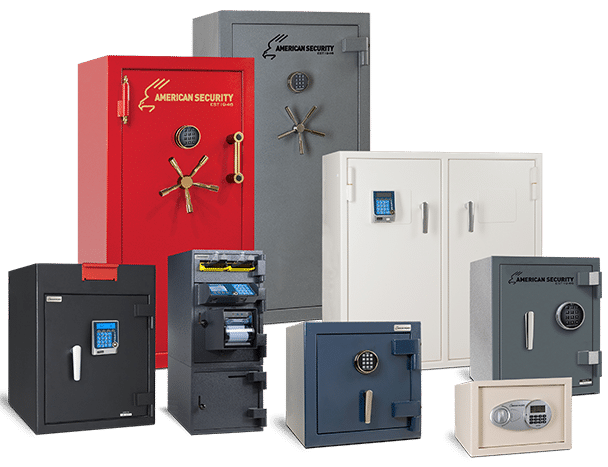
Safes are built to resist force, but that same durability makes them a challenge to move. A gun safe, fireproof safe, or floor safe can weigh anywhere from 200 to over 1,000 pounds, and skipping the prep work leads to damaged floors, injured movers, or a safe that arrives in worse shape than it left. If you have a safe on your Elk Grove Village, IL property and a move coming up, this checklist covers every step you need to complete before the crew shows up.

Measure Every Doorway and Hallway on the Route

Walk the full path the safe will travel from its current location to the moving vehicle. Measure the width and height of every doorway, stairwell landing, and hallway turn along that route. A unit that looks manageable can easily be a few inches wider than a standard interior door frame once you account for handles and hinges. Write down every measurement and compare it against the safe’s actual dimensions. If you find a tight spot, flag it for the moving crew ahead of time so they can bring the right equipment or plan an alternate route. Catching clearance problems early prevents last-minute damage to door frames and walls.

Assess the Floor and Staircase Load Capacity

Heavy safes concentrate significant weight onto a small footprint, which puts real stress on hardwood, tile, and older subfloors. Before your movers arrive, think through what surfaces the safe will cross. Lay down protective plywood panels or heavy moving blankets over hardwood floors to distribute the weight and prevent gouging. Staircases require extra planning because the load shifts dramatically as the safe moves from step to step. Confirm with your moving company that they have stair-climbing equipment and enough crew for the job. Our team at Quick Key has helped Chicagoland customers think through these logistics as part of our professional safe moving services, and the preparation stage is always where the most problems are prevented.

Empty the Safe and Secure the Contents Separately

Always move a safe empty. Contents shift inside the unit during transport and can damage the lock or door alignment if the safe is tilted or jostled. Remove everything before the movers arrive and pack those items in a secure bag or box that travels with you, not on the truck. Key items to remove and transport separately include:

  • Firearms and ammunition
  • Jewelry and valuables
  • Important documents and cash
  • Hard drives or digital media

If your safe contains firearms, review Illinois transportation requirements before moving day so you stay in compliance.

Lock the Safe and Confirm the Combination Before Moving Day

Confirm that you know the combination, keypad code, or key location before the safe is loaded onto a truck. A safe that arrives at a new address with a forgotten combination or missing key creates a serious problem that requires professional help to resolve. Quick Key offers safe locksmith services in Chicago and the Chicagoland area, including combination changes, electronic keypad service, and safe unlocking. Scheduling that work is much easier before a move than after one. Also make sure the safe is locked during transport. An unlocked door can swing open during loading and cause injury or damage the door mechanism.

Coordinate With a Safe Moving Professional, Not Just General Movers

General moving companies handle furniture and boxes. Safe moving requires specialized dollies, straps, and experience with weight distribution on uneven surfaces. If your general mover is not specifically equipped for safes, bring in a specialist to handle that piece of the job separately. Quick Key provides safe moving services across Chicago and the Chicagoland suburbs, including Elk Grove Village. After the safe arrives, we can also anchor it to the floor or wall for added security. You can learn more about placement options in our guide on wall safe vs. floor safe placement and anchoring for Chicago homes.

Plan for the New Location Before You Arrive

Knowing where the safe will go in your new home before moving day saves time and effort. Identify the room, confirm the floor can support the weight, and measure the space the same way you measured the exit route at your current home. For customers updating their home security during a move, we also offer:

Rekeying the locks on a new property is always a smart step, especially if you do not know how many key copies the previous owner distributed.

Ready to Move Your Safe in Elk Grove Village? Quick Key Can Help

Measure your route, protect your floors, empty the safe, confirm your combination, and work with professionals who have the right equipment for the task. Quick Key Locksmith and Security has been serving Chicago and the Chicagoland area since 2013, with a walk-in storefront in Elk Grove Village and mobile service across the suburbs. Whether you need help moving a safe, anchoring it at your new address, or updating the combination and lock hardware, contact Quick Key during business hours by phone or stop by our Elk Grove Village location to talk through your options.

Wheaton Home Lockout Plan: What to Do Before You Drill or Replace a Lock

Wheaton Home Lockout Plan: What to Do Before You Drill or Replace a Lock

A lockout at your Wheaton, IL home can send you straight into problem-solving mode, and not always in the right direction. Drilling a lock or jumping to full replacement before exploring your options can cost far more than necessary and may create additional damage to your door or frame. This guide walks you through a clear home lockout plan so you can make smart decisions before anything gets drilled or replaced.

Step One: Check Every Entry Point Before Assuming You Are Truly Locked Out

Walk the perimeter of your home and try every door, including side doors, back doors, and attached garage entries. Check ground-floor windows that may have been left unlocked. If you have a garage with an interior access door, a working garage door opener may get you inside without touching the front lock at all.

If you have a trusted neighbor, family member, or property manager who holds a spare key, contact them before escalating to a service call. A spare key is always the fastest and least expensive resolution. If your home does not currently have a spare key held by someone reliable, our key duplication service makes it easy to have a copy made at our Wheaton storefront.

What Does a Locksmith Actually Do During a Home Lockout?

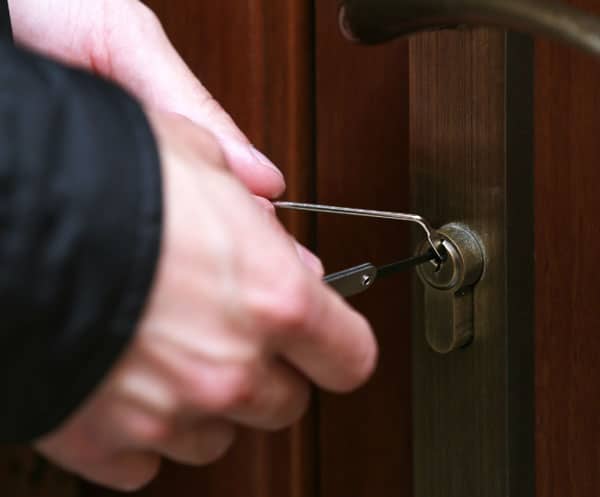
A professional locksmith evaluates the lock and door condition before choosing a method to gain entry. In most cases, we can open a residential lock without drilling or damaging the hardware. Common non-destructive approaches include:

  • Lock picking using specialized tools
  • Bypassing the latch through the door gap
  • Manipulating the cylinder without force
  • Using manufacturer-specific bypass methods for certain hardware

Drilling is a last resort, used only when a lock is damaged, seized, or when no non-destructive method works. The goal is to restore your access with the least disruption to your existing hardware. Our lockout service page explains how the process works for homes across the Chicagoland area.

When Should You Consider Rekeying Instead of Replacing?

If you are locked out because you lost your keys rather than because the lock is damaged, rekeying is almost always the better choice over replacement. Rekeying changes the internal pins inside the lock cylinder so that the old keys no longer work, and a new set of keys is cut to match. The lock hardware stays in place, which keeps costs lower and avoids any door or frame work.

Rekeying also makes sense in these situations:

  • After moving into a new home
  • After a change in household occupants
  • When lost keys may be in someone else’s possession
  • When you want to reset access without buying new hardware

Our lock rekeying service is available with mobile service across Wheaton and the surrounding suburbs.

How Do You Know If Your Lock Actually Needs to Be Replaced?

Not every lockout means your lock needs replacing. However, replacement is the right call when the lock cylinder is visibly damaged, corroded, or has been previously forced. If your door has been through a break-in attempt, the lock, strike plate, and door frame should all be inspected together. Damage to the frame or jamb can undermine even a brand-new lock if it is not addressed at the same time.

If you are considering an upgrade rather than just a repair, this is a good time to explore a smart lock installation or a higher-security deadbolt. Our lock installation and repair service covers both standard and upgraded hardware for Wheaton homes, and we will walk you through what fits your existing door prep before anything is ordered.

What to Avoid During a Home Lockout

Avoid using credit cards, bobby pins, or improvised tools on modern residential locks. These techniques rarely work on deadbolts and can scratch finishes or bend internal components. Forcing a door by shoulder pressure or prying the latch can damage the door jamb, which adds a separate repair cost on top of the lockout call. Door jamb damage from forced entry is one of the more common issues we find when called to homes after a homeowner has already tried to force their way in.

Also avoid assuming drilling is necessary based on advice from someone who has not assessed the lock in person. Drilling destroys the cylinder and requires replacement hardware. We only recommend drilling after confirming that no other method will work for your specific lock.

Your Next Step: Contact Quick Key During Business Hours

A solid home lockout plan comes down to this: check your entry points, contact someone with a spare key, and then call a professional locksmith who will assess your lock before recommending any permanent action. Quick Key Locksmith and Security has been serving Chicago and the Chicagoland area since 2013, with a walk-in storefront in Wheaton and mobile service across the suburbs during business hours. Contact us by phone or stop by our Wheaton location to get started.

Moving into a Chicago Condo: A Security Checklist for Door Locks and Building Access

Moving into a Chicago Condo: A Security Checklist for Door Locks and Building Access

Before the last moving box is unpacked, your condo’s security deserves a close look. From your unit door to shared building entry points, there are several quick steps that can make a real difference in how protected your new home is from day one. Whether you are moving into a Lakeview high-rise or a Wicker Park courtyard building, this Chicago condo move-in security checklist will help you identify gaps and address them with confidence.

Start With the Unit Door Lock

The first item on any move-in security checklist is the lock on your own front door. You have no way of knowing how many copies of the previous tenant’s key are still in circulation. Former residents, cleaning services, contractors, and property management staff may all have had access. The most reliable way to take control of that situation is to have the lock rekeyed as soon as you move in.

Rekeying a lock changes the internal pins inside the cylinder so that all previous keys stop working. It is a cost-effective option that does not require replacing the entire lock hardware. If the existing deadbolt is worn, outdated, or a lower-grade model, a full lock installation may be the better choice. We can inspect the hardware and give you a clear recommendation based on what is actually there.

Check the Deadbolt and Door Frame Condition

A deadbolt is only as strong as the door frame around it. In older Chicago condo buildings, door frames can show wear from years of use, seasonal temperature changes, and building settling. When you move in, check whether the screws around the strike plate are properly seated and the wood or metal is intact.

  • Soft spots or cracks around the door frame indicate the frame may need reinforcement
  • Gaps near the strike plate reduce resistance to forced entry
  • High-security deadbolts with longer strike plate screws offer significantly better protection
  • Worn or loose hinges should also be tightened or replaced before settling in

For a deeper look at deadbolt options suited to Chicago condos, the guide to high-security deadbolts for Chicago homes and condos covers what to look for in residential hardware.

Understand Building Entry and Shared Access Systems

Most Chicago condo buildings use some form of shared access control at the main entry, whether that is a key fob system, a keypad, or a video intercom. When you move in, confirm with building management that your access credentials are newly issued and that any credentials tied to the previous occupant have been deactivated. This step is often overlooked because residents assume it is handled automatically, but it is worth verifying directly.

If your building uses an intercom or video entry system, make sure your unit is properly connected. Buildings with aging intercom infrastructure can have wiring or programming gaps that leave a unit unresponsive at the front door. Intercom repair and installation services can address those issues for both individual units and building-wide systems. Modern video intercom systems allow residents to verify visitors and grant access from a smartphone, which is a practical improvement over older audio-only panels.

Consider a Smart Lock for Your Unit Door

Many Chicago condo residents are choosing to add a smart lock to their unit door alongside or instead of a traditional keyed deadbolt. Smart locks allow keyless entry through a PIN code, a mobile app, or a key fob, and they make it easy to grant temporary access to guests or service providers without duplicating physical keys.

Before purchasing a smart lock, check with your condo association to confirm whether there are any restrictions on lock hardware for unit doors. Some buildings require locks that maintain a standard keyed entry option as a secondary method. A professional smart lock installation ensures the device is correctly fitted, programmed, and compatible with your existing door hardware.

Review Key Control From Day One

Good key control habits from the start will protect you throughout your time in the building. Keep these practices in mind:

  • Limit the number of copies of your unit key that are in circulation
  • Use a reliable key duplication service rather than a self-service kiosk, which can produce keys with inconsistent cuts
  • Keep a simple record of who has a copy and retrieve spares when they are no longer needed
  • Ask your property manager about their master key control policy and how keys are tracked

Understanding those practices helps you make informed decisions about your own unit security. One Chicago condo resident found that simply asking those questions prompted building management to update their key log and reissue master keys that had not been audited in years.

Make Security Part of Your Move-In Routine

Rekey your unit lock before unpacking, verify your building access credentials, inspect your door frame and deadbolt, and consider whether a smart lock fits your lifestyle and building rules. These steps take relatively little time but have a lasting impact on how secure your home feels.

Quick Key Locksmith and Security has been serving Chicago and the Chicagoland area since 2013. We provide residential locksmith services for condos, apartments, and single-family homes across the region, with mobile service during business hours and two walk-in storefronts in Wheaton and Elk Grove Village. Our work is backed by a 6-month labor warranty and a 1-year parts warranty. Contact us by phone or stop by either location to talk through your move-in security needs.

New Home in the Chicago Area: What “Rekey Everything” Actually Includes

New Home in the Chicago Area: What “Rekey Everything” Actually Includes

Before you unpack a single box in your new Chicago-area home, one task deserves top priority: rekeying your locks. Previous owners, contractors, real estate agents, and neighbors may all have copies of your keys. Rekeying changes the internal pins inside each lock cylinder so every old key stops working and only your new keys open the doors. But what does “everything” actually mean when a locksmith shows up? Here is exactly what a professional lock rekeying visit covers for a typical Chicago-area home.

What Rekeying Actually Does to a Lock

Rekeying does not replace the lock hardware. It changes the pin configuration inside the cylinder so the lock responds only to a new key. We remove the cylinder, swap out the driver and key pins to match a new key cut, and reinstall everything. The lock looks and operates exactly the same, but every previous key becomes useless. This is typically more cost-effective than full lock replacement when the existing hardware is in good condition. If a lock is worn, damaged, or low quality, we may recommend replacement instead. Our technicians inspect each lock before making that call, so you get an honest assessment rather than unnecessary hardware costs.

Which Doors Should Be Included When You Rekey a New Home?

Most homeowners think of the front door and stop there. A complete rekey covers every exterior entry point that uses a keyed lock. Our technicians will walk the perimeter with you to identify every point that needs attention. Common doors that belong on the list include:

  • Front door, back door, and side door
  • Any door connecting an attached garage to the living space
  • Detached garage keyed entry doors
  • Sliding patio doors with keyed locks
  • Basement walkout doors and storm doors with their own lock cylinders

One common mistake is skipping the garage-to-house entry door because it feels like an interior door, but it is one of the most important access points to secure.

Can All Your Locks Be Keyed Alike?

Yes, and this is one of the most practical upgrades you can request during a new-home rekeying visit. Keying alike means all of your exterior locks are rekeyed to the same key cut, so one key opens every door on the property. Many homes come with mismatched lock cylinders from different brands or different key cuts, which means carrying multiple keys for your own house. We can rekey compatible cylinders to a shared key during the same visit. Not every lock brand is compatible with every other, but our technicians can identify which locks on your property can be matched and advise you on the others. You can also learn more about the broader decision between rekeying and changing locks to understand which approach fits your situation best.

What About Mailbox Locks, Storage Units, and Deadbolts vs. Knobs?

A complete visit addresses every cylinder on every door, not just the deadbolts. Areas and lock types we evaluate include:

  • Keyed mailbox cylinders
  • Storage areas, workshop doors, and basement utility rooms with keyed padlocks or knob locks
  • Both the keyed knob and deadbolt on the same door
  • Any additional keyed entry points specific to your property layout

Leaving the knob lock on the old key while rekeying only the deadbolt defeats the purpose entirely. If you are considering upgrading any of your locks to a smart lock during the same visit, that is a great time to bundle the work and save a trip.

What to Expect During a Professional Rekeying Visit

A typical rekeying visit for a Chicago-area home starts with a walkthrough. We identify every lock that needs attention and note the brand and condition of each cylinder. Compatible locks are rekeyed to your chosen key cut, and any locks that need replacement are flagged with options. At the end of the visit, we test every lock with the new key before leaving. Quick Key backs rekeying work with a 6-month labor warranty and a 1-year parts warranty, so if anything does not operate correctly after the visit, you have coverage. You can review all residential locksmith services we provide if you have additional security needs beyond rekeying.

Getting Started with Your New-Home Rekey in the Chicago Area

When you are ready to rekey your new home, the process is straightforward. Contact Quick Key Locksmith and Security to schedule a visit, describe the number of exterior doors and any special lock types you are aware of, and a technician will come to your home with the right tools and key blanks on hand. We serve Chicago and the Chicagoland suburbs with mobile service and two walk-in storefronts in Wheaton and Elk Grove Village. Whether you are moving into a home in Naperville, Arlington Heights, Downers Grove, or a Chicago neighborhood, our team has been handling new-home rekeying across the region since 2013. Reach out by phone or visit the Quick Key contact page to schedule your appointment and start your new home with locks only you control.

Call Now Button