Smart Locks vs Traditional Locks: Which is Safer?

Smart Locks vs Traditional Locks: Which is Safer?

If you are considering new locks for your home or you’re in the process of building, you’re probably torn between traditional locks and smart locks. You are used to traditional locks and that is what you’ve always known, but you want your own to have the best bells and whistles and to have the security that is being featured today and in the future.

That is why you might be considering smart locks that put the latest technology at your side. Take a closer look at both traditional locks and smart locks to see the differences and how to know which is the safer route for your home’s security.

How traditional locks work

Traditional locks were always just considered “locks,” until smart locks came onto the scene. These are any locks that are not a smart lock and come in a variety of styles. These would be anything not automated and have to be manually engaged to work. These will be locks such as deadbolts, knob locks, mortise locks, and more like these rather than one that works electronically.

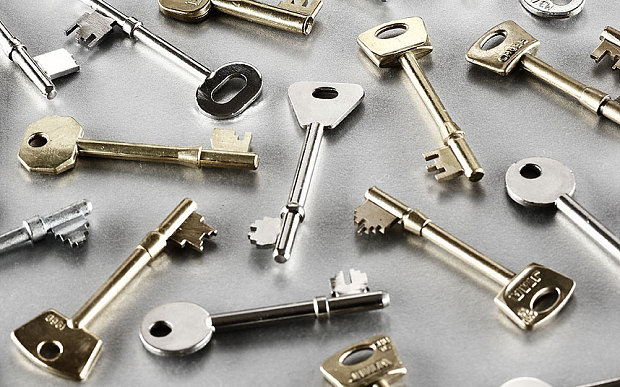
Most traditional locks work by using a key to open the door and are likely going to be made using rim locks, pin tumbler locks, or mortise locks. These types of locks work when a key is inserted and allows the device to do its thing, which involves everything from spring-loaded pins to cylinders that work together.

These have always been considered secure ways to lock something like your home, office, car, or safe. Deadbolts are most commonly used on a residential lock and are known for being secure. Today you can choose deadbolts with different grades or strengths for a more secure option, such as a Grade 1 deadbolt, or you can enhance them through different methods.

The best way to ensure a traditional lock is secure is having it used correctly, installed correctly, and choosing a more durable design and grade of lock.

Smart locks

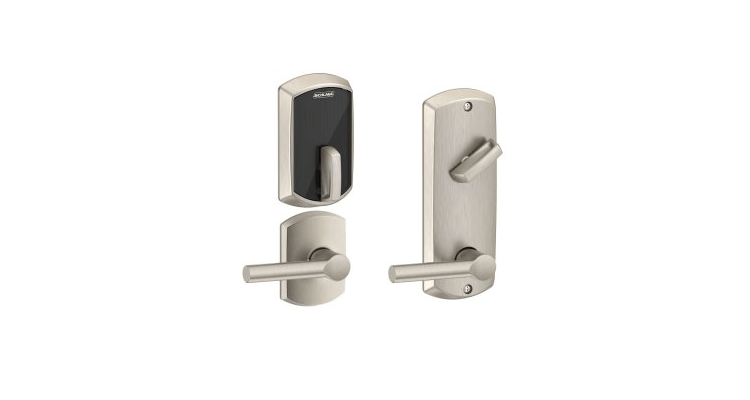
Smart locks are a different type of lock, which you are going to be relying on technology since these are engaged electronically or remotely. They are the automated version of a traditional lock and require something other than a key inserted into the lock for the user to open something.

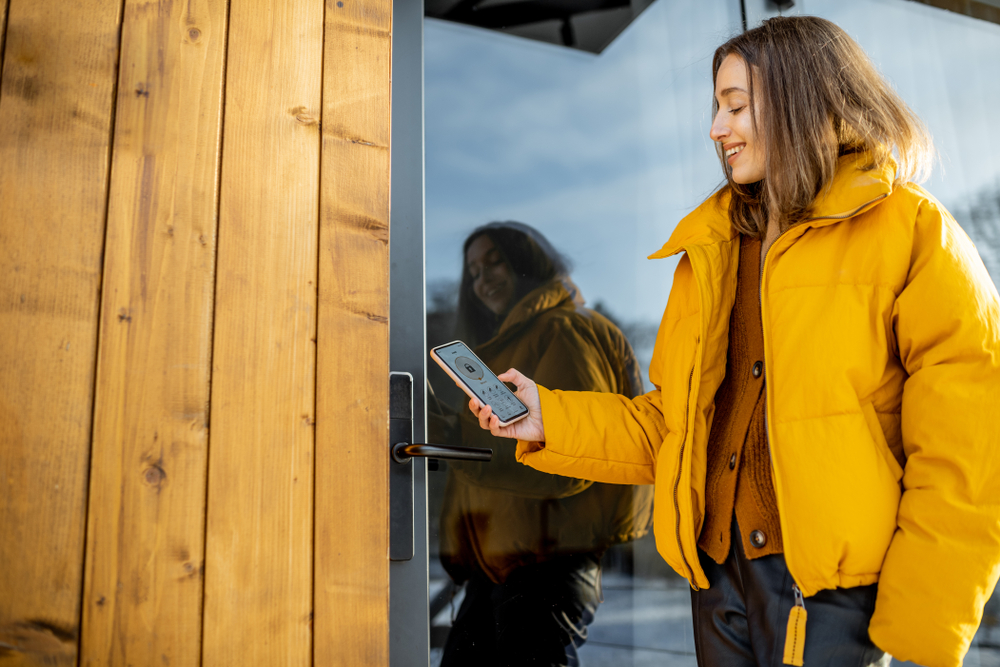
They are usually able to be controlled by your smartphone and have the ability to integrate with your other smart devices. This may sound more secure than someone picking your locks, but being online means it’s susceptible to being hacked.

To open something with a smart lock, you’ll have to use a cryptographic key to unlock your door. This is where the lock receives instructions to open. It has the functionality to send you notifications and alerts to your smartphone to monitor its activity, making you feel more secure as the owner. You won’t have to carry a key around unless you use a key fob, since mostly you’ll be able to use it from a device.

The security of smart locks are debatable since they can technically be hacked into, but traditional locks also have the potential to be physically tampered with too. Smart locks are still a newer concept and may still be early on in giving you the most secure lock for your home, despite giving you the ability to monitor the lock from your devices.

They will work with an existing deadbolt though which may make this a good in-between option for homeowners that don’t want to go with an all-in smart lock cylinder. You also have to consider what you would do if someone were to simply gain access to your phone if you were to lose it and it has your door unlocking abilities on it.

You may find that you prefer going with a traditional lock knowing that you can always add on or modify with more features to make them more secure while not risking hacking through an electronic option. Whichever way you go, talk to a Chicago locksmith to ask any questions you have and get the right fit for you. These are some of the considerations when deciding which type of lock you feel safer using for your property.
Rekey vs Lock Replacement: Which is Right for You?

Rekey vs Lock Replacement: Which is Right for You?

When it’s time to consider replacing your lock, it’s important to know the difference between rekeying and lock replacement. Many homeowners and business owners choose lock replacement over rekeying simply because they didn’t know rekeying a lock was an option.

In most cases, you have the option to rekey or replace your locks. Let’s look at what both are and why you might choose to rekey your locks over replacing them.

What is Lock Rekeying?

While it might seem self-explanatory, lock rekeying is the process of readjusting the internal parts of the lock to fit a different key. The goal is to change the design of the key needed to unlock your doors to ensure the old keys no longer work.

Without a trained residential locksmith, it’s very difficult to rekey a lock. When your locksmith rekeys your locks, you will keep the same locks you have, but they will not open with the old keys. you will need a new key, which the locksmith will also provide, to open the locks.

Lock rekeying offers a cost-effective way to change the key for your locks when you have lost your keys, a tenant moves out, or for any other reason.

Since you will use the current lock body and change the interior parts, it’s often less expensive than replacing your locks. While rekeying your locks is a cost-effective way to boost security, it’s only a limited security boost. If you want to gain even better security, replacing your locks is a better choice.

Why Choose Lock Replacement?

When you decide to replace the locks, you will actually replace the entire lock with a new one. This offers the ability to upgrade your locks to a more secure choice compared to what you currently have for your home or office.

Choosing the right locks means you need to consider the necessary factors. It usually starts with a look at home much you want to spend, along with the features you prefer. Some locks offer better security features and you can even choose smart locks if you want to gain some convenience features.

If you want to upgrade your locks to a very secure option, multi-point lock installation might be right for you. With a trained locksmith, these locks can be installed and will give you a more secure option since they lock in multiple places unlike single-point locks found on most doors.

With the ability to choose the locks you want and upgrade your security; lock replacement might be the right option for your needs. Compared to rekeying, lock replacement offers better security, but it will cost more. You will pay for both parts and labor when having new locks installed at home or at the office.

Whether you choose to rekey or replace your locks, it’s best to hire a trained Chicago locksmith to handle the job. Trying to do it yourself could result in disaster. Without proper installation of new locks, you might cause more harm to your security than good. Hire a professional and make sure your locks are either rekeyed or replaced properly.

Where to Install Security Cameras in Your Home

Where to Install Security Cameras in Your Home

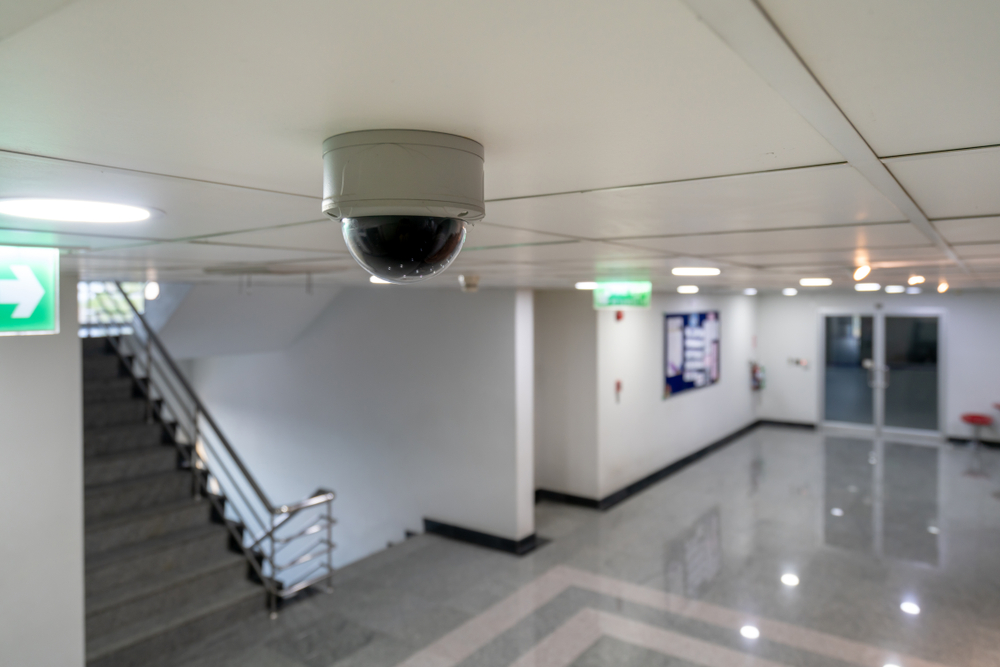
There are plenty of great ways to secure your home today. Installing CCTV security cameras offers one of the best solutions.

Not only will the cameras help to deter criminals, but they also give the police more to work with, if something does happen. You’ll be able to turn over video evidence of the suspect, which provides a better chance of recovery.

The proper placement of CCTV cameras makes a huge difference. You want to hire a professional to install CCTV cameras to ensure your entire property is covered. Let’s look at a few tips to help ensure your cameras are placed correctly around your home.

6 Tips for Security Camera Placement

1. Front Door

The first place you want to ensure is covered is the front door. Since about one-third of burglars come through the front door, this is a good starting point.

The front door is the most important place for a camera outside your home. You can place the camera on the second level of your home to ensure burglars cannot tamper with it. If you don’t have a second level, the camera can be enclosed to help protect it.

2. Back Door

If the front door doesn’t seem like an option for a burglar, they are likely going to try the back door. Homeowners may forget to lock the back door making it an easy entry point.

Installing a CCTV camera to cover the back door is vital. This is the second place you want a camera to ensure you can catch any criminals in the act.

3. Off-Street Windows

About just as many break-ins happen through off-street windows like the back door. A camera watching over these windows will help to decrease your chances of dealing with a break-in.

In some cases, the same camera covering the back door can also cover the back off-street windows. You can also take other steps to ensure your windows are secure to ensure burglars don’t see off-street windows as an option to get in.

4. First-Floor Windows

Any windows on the first floor need to be covered by CCTV cameras. These are the most vulnerable windows in your home. Since most burglars are looking to get in and out quickly, you want to make sure you have a security camera covering all first-floor windows.

5. Garage

If you have a garage, it’s another easy entry point for criminals. While most will choose a door or window first, the garage is vulnerable to criminals looking for an easy way in.

Adding a CCTV camera to watch the garage entry points will help to better secure your home.

6. Basement

If you have basement windows or any outdoor access points to the basement, they can be used to gain entry. While it’s not nearly as common as the other entry points, some burglars get in through the basement.

Typically, you can choose to place your CCTV cameras to watch over more than just one entry point. A security camera watching the basement windows may also be watching first-floor windows or the back door.

When you hire a professional, such as Quick Key Locksmith, to install your CCTV cameras, you’ll gain better protection. A security professional will know how to utilize a few cameras to gain full coverage of all possible entry points.

Best Smart Locks for Multi Family Buildings: Millennials Want Them!

Best Smart Locks for Multi Family Buildings: Millennials Want Them!

Smart home products are in high demand. Not just for homeowners, but for multi-family buildings as well.

In fact, lock manufacturer Schlage and Wakefield Research company found that millennials especially want buildings to have this technology available. In fact, the study shows that they’re also willing to pay more for technology upgrades on their building. To be more precise, 86% of millennials are willing to pay more.

Gen Y renters are more likely to rent apartments that have electronic access or uses technology within their buildings.

What Does This Mean for Landlords & Property Managers?

It means that you should consider enhancing your properties with these technological advancements. Not only are they cost-efficient, but they’re also scalable and allows you to collect higher rents!

Quick Key offers a variety of installation types to enhance your multi-family building and increase the number of tenants looking to rent from you.

The Best Smart Locks on the Market

The selection of the following smart locks on the market offers a perfect blend of security, convenience, and modern technology. Designed to replace traditional keys with keypads, mobile apps, or biometric access, these locks provide enhanced control and peace of mind for homeowners, renters, and property managers alike. With features like remote access, integration with smart home systems, and activity monitoring, today’s top smart locks make managing entry easier and safer than ever before.

August Wi-Fi Smart Lock

August smart locks allow you to control access to your home via your smartphone. It allows you to create virtual keys for guests visiting your home and allows you to track who enters and leaves.

Schlage

Schlage control smart interconnected locks use a cloud-based approach. From here, landlords and property managers can control access to units via an app. Residents can utilize a card, key fob, or smartphone to access their units as well. This type of lock protects against lock pickers and forced entry.

Yale Smart Locks

Yale Assure lock is one the most popular on the market. Residents can lock and unlock their doors utilizing their smartphone or entering a 4 – 8 digit PIN. Have a family? Download their app and create up to 12 PIN codes and disperse accordingly. If you desire the option to utilize a key to enter as well, this lock comes in both keyed and keyless versions with the touchscreen option.

These smart locks are not only great for multifamily buildings, but also for homes. If Millennials and the new generation are willing to pay higher rents to have this affordable technology on their apartments, why not make the investment?

Spare Keys – Things You Need to Remember

Spare Keys – Things You Need to Remember

As a homeowner, you should never overlook the importance of spare keys, both to yourself and how they might be used by others. It is very easy to do that though because your spare keys aren’t the ones which you would ordinarily use – they’re just in the background somewhere, waiting to be called upon in an emergency, or in unusual circumstances. And if you don’t have a set of spare keys, all it will take is being locked out of your home one time, to convince you of the need to have a set made immediately.

Handling of spare keys

But where should you put your spare keys in order to make use of them when the time comes? You certainly don’t want to put them under the Welcome mat, since countless TV shows and movies have instructed generations of watchers about that hiding place, and truthfully, any object near your front door will be the first place a criminal-minded person would check for a spare set of keys. To avoid the risk of burglary or any other unwanted entry, you’ll have to situate your spare keys somewhere that is not obvious to intruders, but which you have easy access to when you need to retrieve them.

You could leave keys with a trusted neighbor, but that means they’d have to be home when you need your keys. Better options eliminate the need for any other individuals, because they simply may not be available at the precise moment of your need. You might want to try placing them under a deck outside, in a birdhouse you’ve placed in the yard, or under the doghouse if you happen to have a furry friend. A couple of other options might be to place keys inside an outdoor power meter box (carefully!), or along the siding of your home, in a spot which isn’t easily visible.

Any of these hiding places will probably be sufficiently secure from unwanted intruders, yet still easily accessible to you or someone from your household who needs emergency access, and does not have keys.

Other points to remember about spare keys

If you happen to be the manager of an apartment building, spare keys can be something of a problem, especially if they have been retained by previous tenants who will thus still have access to your building, and are no longer entitled to. If you are a tenant moving into an apartment, you should make a point of asking the landlord if a prior tenant still has a set of spare keys, because that could easily compromise your own safety.

These scenarios point up a common issue about spare keys, regarding the fact that they should always be accounted for and not simply forgotten. If spare keys are not monitored and turn up missing, that may be time to consult your residential locksmith or commercial locksmith and discuss an access control solution that keeps your premises, and yourself, secure.

Call Now Button