Deadbolt vs Lever Lock for a Chicago Front Door: Which Gives Better Security?

Deadbolt vs Lever Lock for a Chicago Front Door: Which Gives Better Security?

In the heart of Chicago, IL, securing your home’s front door is paramount. Choosing between a deadbolt and a lever lock can significantly impact your home’s security. Understanding the differences and benefits of each lock type is key in making an informed decision.

Failing to select the appropriate lock can lead to vulnerabilities, making your home susceptible to break-ins. At Quick Key Locksmith & Security, we specialize in lock installation and repair, ensuring your locks are both reliable and securely installed to enhance security.

Understanding Deadbolt Locks

Deadbolt locks are a staple in home security. Unlike spring latch locks, deadbolts offer a higher level of resistance to forced entry. They require a key to operate, which makes them more secure against kicking attacks. Inspect the lock’s alignment and fixation strength during installation to prevent a compromised security setup.

Improperly installed deadbolt locks can result in door frame damage and increased vulnerability. Ensuring the door jamb is reinforced and correctly aligned with the deadbolt is critical to maintaining security integrity.

Advantages of Lever Locks

Lever locks, while commonly used for their aesthetic appeal and ease of use, offer a user-friendly experience, particularly for those with physical limitations. They can be easier to operate compared to traditional knobs, especially when your hands are full. Lock rekeying when needed ensures that unauthorized key duplicates do not exist.

Despite their convenience, lever locks must be installed and tested for secure latch closure. Failure to verify the lock’s engagement can lead to the door being easily opened, reducing effective security measures.

Deadbolt Lock Security Features

The structural strength of deadbolts, owing to their solid metal inserts, is a major deterrent against burglars. They remain one of the most trusted locking mechanisms. Check latch alignment before you assume the lock failed to ensure proper functioning.

When installing a deadbolt, it is essential to choose a hardened steel bolt to withstand forced entry techniques. Incorrect installation can lead to misalignment and compromised lock performance.

Security Features of Lever Locks

Lever locks offer several security features, including pick resistance and key control options. Advanced lever locks may come with integrated security enhancements for added protection. Verify the lock’s bolt engagement with the strike plate during setup.

A poorly aligned lever lock can cause operational failure, making the mechanism vulnerable. Proper measurement and adjustment are crucial during installation to ensure optimal security.

Choosing the Right Lock for Your Needs

Your choice between a deadbolt and lever lock should consider your specific security needs and household dynamics. Deadbolts might be preferred for higher security needs, whereas lever locks are chosen for ease of access. Always rekey locks after moving into a new residence or if key security is in question.

An improper assessment can lead to choosing a less secure option, exposing your door to higher risks. Aligning lock strength and security features with your lifestyle ensures a secure home atmosphere.

Installation and Maintenance Considerations

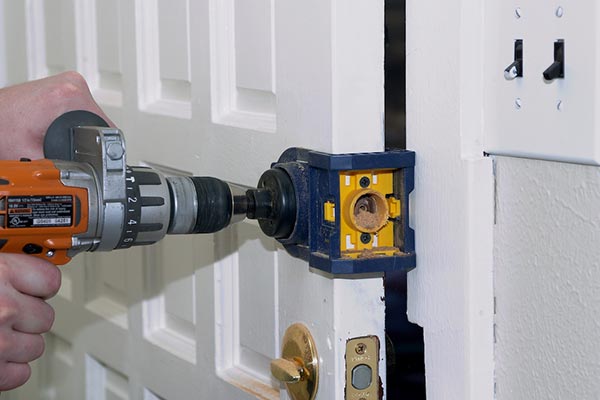
Proper installation by a qualified locksmith ensures that both deadbolt and lever locks offer their full security benefits. Ensure techs use suitable drill bits and tools to avoid damaging the lock or door material. We check installation precision to prevent potential missteps.

Overlooking maintenance tasks, such as lubricating moving parts and ensuring proper screw tension, can lead to lock failure. Regular inspection and testing of locks by professionals are integral to maintaining lasting security.

Contact Quick Key Locksmith & Security for Your Lock Needs

If you have concerns about your door locks, we evaluate and recommend the best path forward. At Quick Key Locksmith & Security, we check the fit and functionality of each lock type, ensuring they meet security standards. Neglecting lock standards can expose your door to security breaches.

For expert lock installation and repair services in Chicago, IL, Quick Key Locksmith & Security is your trusted partner. Contact us to discuss whether a deadbolt or lever lock is best for your home, meeting all your security needs.
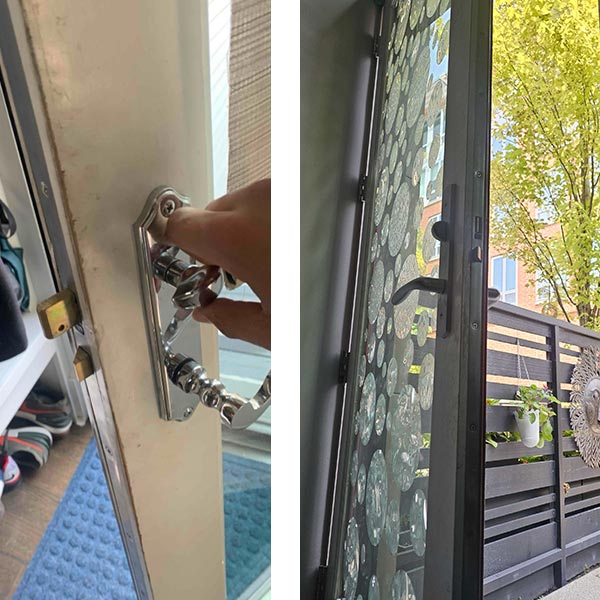
Multipoint Lock vs Standard Deadbolt: When the Upgrade Makes Sense in Chicagoland

Multipoint Lock vs Standard Deadbolt: When the Upgrade Makes Sense in Chicagoland

Home security in Chicagoland often revolves around choosing the right locking system. Homeowners are faced with the decision between keeping a standard deadbolt or upgrading to a multipoint lock. Each option presents its own benefits and challenges that require careful consideration.

If these locks are not properly installed or chosen to fit specific door conditions, they may lead to security vulnerabilities. Quick Key Locksmith & Security helps homeowners decide which option is better by offering services such as lock installation and replacement to maintain security.

The Basics of Standard Deadbolts

Deadbolts are a traditional choice for many households, providing a simple yet effective method of locking. They consist of a steel bolt that extends into the door frame, securing the door firmly. However, over time, a deadbolt may fail due to misalignment or worn-out components.

Regular inspection is necessary to detect signs of wear and tear, such as difficulty turning the key or a loose handle, as these could lead to further damage. Replacement may become necessary to maintain security.

Understanding Multipoint Locks

Multipoint locks offer a more advanced locking mechanism by securing the door at multiple points along the frame. This feature provides enhanced security and sealing against environmental elements. Despite their complexity, they can still wear out or become misaligned.

Ensuring proper engagement of all locking points is crucial, as misalignment can render a multipoint lock ineffective. Regular maintenance helps avoid increased repair costs and security lapses.

Security Implications in Chicagoland

Chicagoland homeowners need to consider security when choosing lock types due to varying crime rates in different areas. A multipoint lock might better protect against forced entry compared to a standard deadbolt.

Evaluating local crime statistics and personal security needs is critical before deciding. Misinformed choices might expose a household to unnecessary risks that could have been mitigated with the right lock system.

When to Consider an Upgrade

Upgrading from a deadbolt to a multipoint lock often makes sense when local conditions suggest a need for enhanced security, or during renovations that involve upgrading to more robust doors capable of supporting multipoint mechanisms.

Replacing a standard deadbolt when an upgrade can significantly enhance security is advisable. Overlooked upgrades might leave vulnerable entry points unchecked.

Installation Considerations

Proper installation of either lock type is critical to their effectiveness. An ill-fitted lock can negate all security benefits, whether it’s a deadbolt or a multipoint lock. This is especially pertinent for older doors that might have experienced wear over time.

Assessing the door’s fit and condition before installation ensures a precise and effective setup. Incorrect measurements or installations can lead to costly readjustments.

Door Condition and Compatibility

The condition of a door plays a significant role in the performance of its locking system. Old or damaged doors might not support the mechanics of a multipoint lock or be suitable for deadbolt replacement depending on the material and frame stability.

Check latch alignment before you assume the lock failed. Neglecting door condition might lead to complications that compromise the lock’s safety features and the door’s structural integrity.

Cost vs Benefit Analysis

While multipoint locks typically cost more than deadbolts initially, the long-term benefits often justify the expense due to their security features. Evaluating both immediate and future needs aids in making a sound choice that aligns with personal security strategies.

Analyzing the total cost of installation, maintenance, and potential future upgrades is crucial when choosing a locking system. Skipping this analysis might result in selecting a less optimal system for security needs.

Expert Help and Guidance

To ensure the right choice between a multipoint lock and a standard deadbolt, seeking expert guidance is advisable. We check compatibility with existing door conditions and facilitate the proper installation process to avoid mishaps that lead to inadequate security.

Contact Quick Key Locksmith & Security in Chicagoland for professional assistance with lock installations and replacements that adhere to security best practices. Our team is ready to assist with selecting and installing the ideal locking system for your home.

Chicago Door Jamb Repair: How to Spot Damage That Makes Locks Fail

Chicago Door Jamb Repair: How to Spot Damage That Makes Locks Fail

Door jamb damage significantly impairs the functionality of locks, raising security risks for Chicago homes and businesses. Recognizing signs of door jamb damage is essential for maintaining your entryway’s integrity and security. Here, we explore types of door jamb damage and how Quick Key Locksmith & Security offers effective repair services to address these issues.

Ignoring door jamb problems can lead to improper lock engagement and, occasionally, complete lock failure. These mishaps not only compromise security but may also lead to costly repairs. Quick Key Locksmith & Security in Chicago provides specialized services such as rekeying, lock repair, and door jamb reinforcement to enhance security and prevent lock failures.

Signs of Door Jamb Damage

Detecting door jamb damage early prevents serious lock issues. Warping from moisture is common in Chicago’s weather. Inspect for cracks or warping that may disrupt lock alignment. Visible gaps between the door and frame can also compromise security.

Check latch alignment before you assume the lock failed. Misalignment leads to excessive force needed to operate the lock, causing faster wear and potential failure. Prompt professional inspection helps maintain door security.

Common Types of Door Jamb Damage

Door jambs suffer various damages, such as rot from moisture or impact from forced entries. Diagnosing the damage type allows exploration of repair options. Reinforced metal plates or new wood segments may be necessary to restore integrity.

Reinforcement and hinge repair drastically strengthen doors. Neglecting these issues results in unreliable lock operation and may require complete door replacement.

How Weather Affects Door Jamb Integrity

Chicago’s summers and winters affect door jamb stability. Temperature changes cause expansion and contraction, deteriorating door jambs gradually. Checking conditions during seasonal transitions catches early wear signs.

Failure to align the door exacerbates existing issues. Quick Key Locksmith & Security advises regular checks to adjust and align jambs to ensure optimal function regardless of weather.

Effects of Improper Door Installation

Improper installation leads to accelerated door jamb wear. Misaligned hinges or insufficient support often stress the lock and jamb. Measuring and adjusting installation points is necessary if the door swings unevenly.

Compromised installations can cause structural damage, needing costly repairs. Quick Key Locksmith & Security can re-measure and realign installations, extending door and component longevity.

DIY Attempts: Risks and Consequences

DIY repairs for door jamb damage often cause more harm without professional tools or experience. Replace components only after consultation with a technician.

Failed DIY repairs may result in additional damage, requiring extensive fixes. Trust locksmiths for thorough inspections and effective solutions.

The Importance of Professional Assessment

Professional evaluation resolves door jamb issues permanently. Quick Key Locksmith & Security conducts inspections to identify damage, ensuring no underlying issues remain. Rekey or repair locks for complete functionality.

Overlooking hidden damage can lead to complete lock failures. Depend on seasoned professionals for a comprehensive assessment and long-term solutions.

Contact Us for Expert Door Jamb Repair

Door jamb damage threatens your property’s security and requires expert attention. Quick Key Locksmith & Security in Chicago offers jamb alignment and hinge check services to keep entrances secure. Ignoring these issues increases damage and security risks.

Quick Key Locksmith & Security, serving Chicago and Chicagoland, provides door jamb repair and lock rekeying services. Contact us for professional service, ensuring functional locks and property safety.

After a Break-In in Chicago: Lock, Door, and Frame Steps to Secure Your Home

After a Break-In in Chicago: Lock, Door, and Frame Steps to Secure Your Home

Experiencing a break-in can leave your home vulnerable in Chicago, IL. It’s important to address the locks, doors, and frames to restore security. Quick Key Locksmith & Security offers crucial services like lock repair and replacement to help safeguard your home.

If these issues are neglected, it can lead to repeated incidents or further damage. Misaligned doors or weak locks compromise safety. Quick Key steps in with actions such as rekeying, repairing, reinforcing, and installing new locks or door frames to ensure resilience.

Assessing the Damage

Break-ins often result in visible and hidden damages to locks, doors, and frames. Inspect the door jamb for signs of force, as misalignment can go unnoticed. Broken locks might seem functional but could fail without warning.

Inspect all locks and door hardware to determine repair needs. Failure to identify these issues may lead to incorrect repairs or ongoing vulnerability. Quick Key can replace compromised components, ensuring they operate as intended.

Lock Repair and Replacement

Locks are often the first target in a break-in. A door lock that’s been tampered with may weaken the system’s overall security. Rekey or replace locks as needed; Quick Key specializes in these services to keep your home secure.

Replace locks that show any sign of tampering or wear. Check latch alignment before you assume the lock failed; it ensures functionality. Ignoring these conditions can lead to easier access next time.

Repairing and Reinforcing Door Jambs

The door jamb takes a significant hit during break-ins, often resulting in structural damage. Check its integrity for cracks or splits which could compromise its strength. Repairing the door jamb is critical to restoring door and lock function.

Reinforce door jambs with additional hardware, such as longer screws or metal plates. If repairs are overlooked, the door may not close properly or could be easily forced again, risking further intrusion.

Upgrading Door Hardware

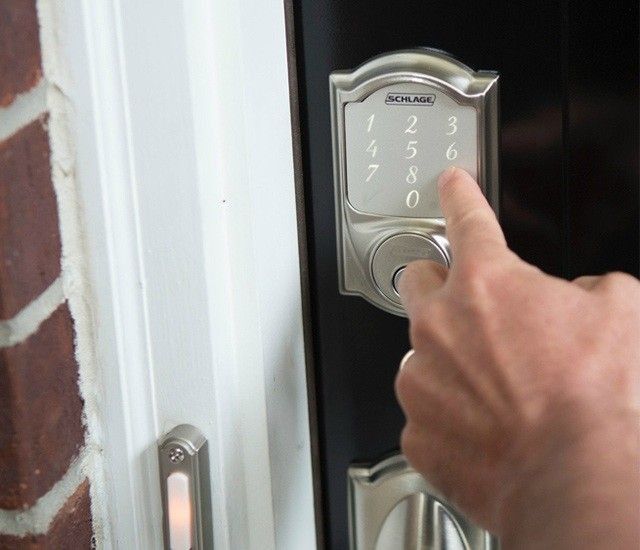
After a break-in, upgrading door hardware adds a layer of security. Diagnose potential weaknesses by comparing with current standards. Replacing outdated hardware with smart locks or reinforced deadbolts can boost safety.

Install high-security locks that resist common break-in techniques. Quick Key can fit these systems, minimizing future risks. Ignoring this step can leave you susceptible to advanced break-in methods.

Enhancing Door Integrity

Doors receive direct impact during a break-in. Verify the condition of the door itself; examine for cracks or hollow points. Repairing or replacing doors that have been compromised is vital for security.

Replace hollow or damaged doors with solid, more impenetrable options. Quick Key provides interior and exterior door replacements that are stronger and more secure. Skipping this could lead to continuous safety risks.

Securing Windows and Patio Doors

Windows and patio doors often provide alternative entry points for intruders. Verify that all locks and frames on these are robust. Deficient patio door locks or broken window frames give easy access.

Install additional locks or security bars to bolster window and patio security. Quick Key can enhance these points to prevent unauthorized entry. Overlooking weaknesses here compromises overall home security.

Contacting Professional Locksmith Services

After a break-in, precise repairs are crucial for home security. We check door and lock conditions extensively, focusing on door jamb integrity and lock operation. Ignoring professional repair risks further damage and insecurity.

Quick Key Locksmith & Security is your partner for security restoration in Chicago, IL. Contact us for break-in lock repairs and door restoration. We offer expert lock rekeying and reinforcement to protect your home effectively, without guarantees or urgency promises.

3 Ways to Extract a Broken Key From a Lock

3 Ways to Extract a Broken Key From a Lock

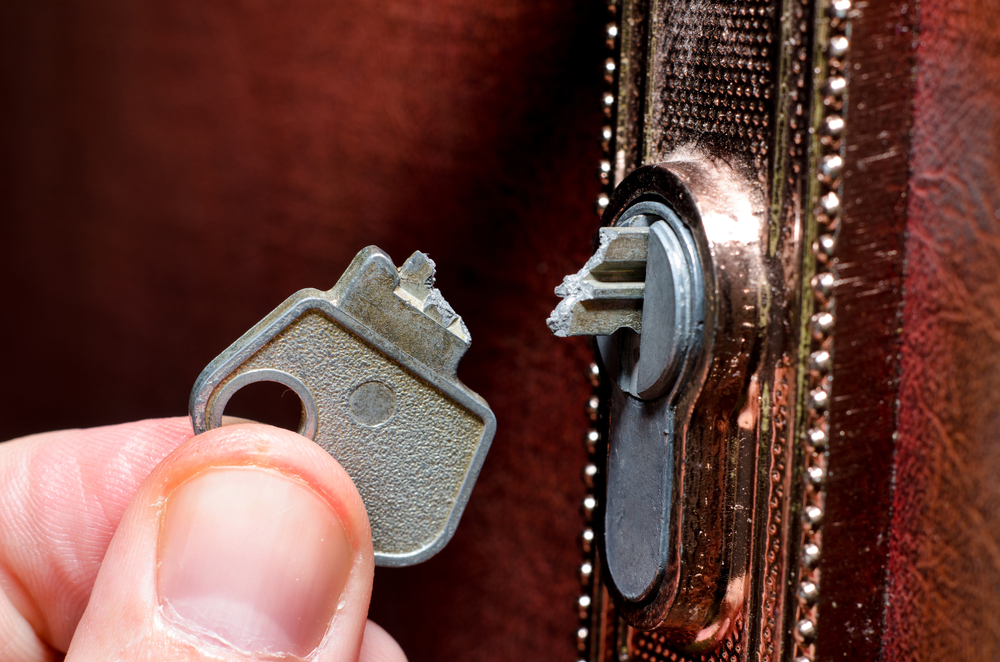
You’re arriving at your home after a long day of work. You’re excited to Key broken and stuck in the door? It happens!

What causes this breakage?

  1. Sometimes this occurs due to normal wear and tear on a key over time. The teeth on the key get worn down and can make it difficult for the teeth to catch onto the lock.
  2. In a hurry? Using excessive force can sometimes break a key in an instant.
  3. Other times it can be due to the key being a cheap duplicate!

No matter the cause of your key breaking in the door, we can all agree that it’s a huge pain. The question becomes, how can you extract it and move on about your day?

3 Ways to Extract a Broken Key

Tweezers

This is usually the go-to tool when a key breaks off in a door for most people. Two things you need to be aware of is how far the key has broken off in the lock, and how wide/thick the tweezers are. Thin tweezers that open wide are ideal for the job. Too thick tweezers won’t allow you to position them along the sides of the key, while tweezers that don’t open wide enough will not be able to grasp it.

The last thing you want to do is end up pushing the key further in the locking mechanism. This method will only work if there’s a little bit of key sticking out. Pushing the key deeper is more likely to happen if this isn’t the case.

Jigsaw Blade

This is probably the most time-consuming method of them all and will most likely require a trip to your local hardware store. However, if available, use two jigsaw blades when trying to extract a broken key. Insert both blades on opposite sides of the key.

For this to be successful, the blades must be thin enough. Be sure the blades are also faced down so that they can hook the teeth of the key. After doing so, simply turn and pull.

If it doesn’t work the first time, try again!

Super Glue

This should be your last option if all else fails. While we do not always agree with this method, because it can end up making things worse, this is an option that can be pulled off if done correctly.

The trick here is to utilize something small like a match and glue it to the key. Mind you, this only works if part of the key is sticking out. After creating a firm bond between the two, try pulling the key out of the lock!

Extracting a key isn’t easy all the time. It depends on the type of lock and how the key is broken.

Contact Your Chicago Locksmith

Don’t feel like extracting it? Tried these methods and still came up short? Give us a call at 877-787-3399. With 24/7 service, Quick Key Locksmith & Security can get the job done fast and affordable when needed. Not only can we remove the key, we can also create a duplicate key.

5 Common Items to Store in a Home Safe & Why

5 Common Items to Store in a Home Safe & Why

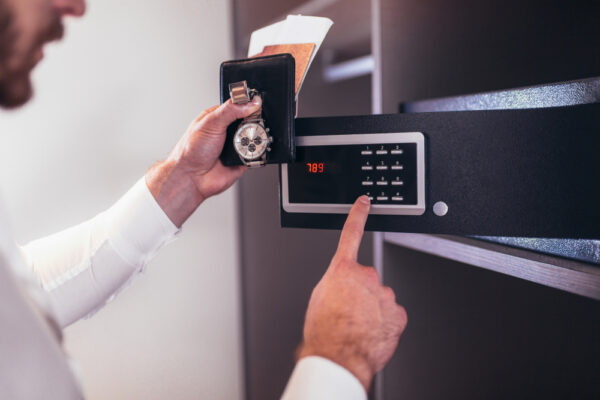
You finally invested in a home safe, but you’re not sure what you should put in it and what doesn’t really need to go inside your safe. There are plenty of things you may believe are valuable enough to go into your home safe, but you also only have so much room. Let’s look at some of the common items to store in a home safe and why you should put them in your safe.

Is your Safe Fire Proof?

Before we look at the list of items, it’s important to consider the safe you have. A home safe should provide fireproof qualities. The most common reason you will need a safe to protect your belongings is likely a house fire. Yes, a break-in is possible, but many home safes are small enough a criminal could easily take off with them.

Even with a larger home safe that’s too heavy to move, it’s important to make sure it’s fireproof. With a fireproof safe, you gain many more benefits for protecting your most valuable things.

Five Common Items to Store in Your Home Safe

1. Important Documents

Birth certificates, social security cards, titles to property, insurance policies, home pictures, wills, and other important documents can all be store in a fireproof home safe. This will help to protect them in the event of a fire or another disaster. Anything you might need to rebuild your life, if something were to happen, should go in the safe.

Storing important documents in a safe also ensures you don’t have to worry about where they are. They will be in your home safe when you need them.

2. Important Keys

Yes, you probably have plenty of keys on your daily key ring that don’t belong there. Your keyring should have vehicle keys, house keys, and safe keys (if necessary). However, the rest of your keys, such as safe deposit box keys, keys to personal storage unit locks, and other keys you don’t use every day, should go in your home safe.

It’s also smart to keep a spare car key in the safe, just in case.

3. Valuable Jewelry

If you have a $100 bracelet, it probably doesn’t need to go in your home safe. However, if grandma passed down an heirloom worth $1,000 or more and you don’t wear it daily, this type of valuable jewelry can go into your safe. Any valuable jewelry can be stored in your safe.

4. Emergency Cash

Of course, it’s a good idea to have some emergency cash, gold, and silver in your home safe. Any physical currency you own that you don’t need to spend can go in the safe. Many people hold their emergency fund in cash or at least a portion of it, which should be stored in your safe.

5. Guns

While some home safes have room for guns, others will need to go in a gun safe. If you have room in your fireproof home safe, it’s a good place to store a gun.

There are many common items you can and should store in your home safe. It depends on what you consider to be valuable and what you want to protect the most. Make sure you consider all your items and protect the most important things in your home safe.

Call Now Button