Panic Bar and Exit Device Issues in Chicago Storefronts: Common Failures and Fixes

Panic Bar and Exit Device Issues in Chicago Storefronts: Common Failures and Fixes

Storefront businesses in Chicago, IL, often face issues with panic bars and exit devices. These safety mechanisms ensure that customers and staff can exit buildings effectively in emergencies. Malfunctions can compromise safety, emphasizing the need for reliable repair and maintenance.

Panic bars and exit devices can become liabilities if mishandled. Improper repair or installation might lead to code violations or lockouts. Quick Key Locksmith & Security offers repair, replacement, and installation to help businesses stay compliant and secure.

Jammed Mechanisms

Jammed mechanisms are a common issue with panic bars. Dirt and debris accumulation can prevent the device from returning to its original position. Regular cleaning and inspection can prevent this, but professional help is required if the device is neglected.

Confirm that the panic bar retracts smoothly to avoid assuming a deeper mechanical failure. Jammed devices can disrupt movement flow during emergencies, increasing accident risks. Rekeying may also be necessary if locks are involved.

Misaligned Doors

Misaligned doors frequently affect exit device functionality. Misalignment often results from wear, tear, or improper installation. Aligning doors and adjusting hinges facilitates smooth operation. Untreated, door misalignment can lead to breakage and costly repairs.

Check latch alignment rather than assuming a lock failure. Regular maintenance can prevent major headaches from misalignment. Otherwise, misalignment may cause panic devices to fail, trapping people during emergencies.

Broken Internal Components

Broken or worn internal components severely hinder exit device effectiveness, especially in high-traffic areas. Regular inspections and replacements during maintenance can prevent larger issues. They interfere with functionality and pose risks of door failure.

Regular checks are vital to maintaining internal mechanisms in top condition. Neglect can lead to improper operation and safety compromises. Failing components make exits non-compliant with safety regulations, necessitating timely repairs.

Faulty Installation or Adjustments

Poor installation or adjustment often leads to operational failures. Such issues arise from poorly fitted panic bars or incorrect measurements, requiring professional intervention for accurate installation and alignment. Incorrect fitting strains the device, increasing repair needs.

Diagnose errors by measuring components accurately and checking door compatibility. Unaddressed issues lead to constant malfunctions, risking building safety. Installing compatible parts reduces device wear, extending lifespan.

Wear and Tear from High Usage

High-traffic commercial settings cause panic bars to wear out over time. Constant use loosens or breaks them eventually. Regular testing and proactive replacements counteract this, ensuring readiness and safety.

Assess device strength during inspections to ensure safety standards. Excessive wear, if unchecked, leads to catastrophic emergency failures. Maintaining these systems enhances reliability and compliance with safety codes.

Low Battery and Electric Strikes

Panic bars with electric strikes can fail due to dead batteries. Regularly checking battery levels and ensuring reliable power connections prevent electronic failures. Battery replacement should be part of routine maintenance.

Securing a steady power supply and routinely testing electric components prevents sudden failures. A dead battery during crucial moments jeopardizes exit strategies. Consistent maintenance safeguards against unexpected failures.

Compliance with Safety Codes

Adherence to safety codes is essential for exit devices. Ignorance of compliance leads to legal repercussions. Ensuring devices meet local regulations avoids these issues. Compliance ensures safety and legal security.

Neglecting code requirements can result in fines and operational shutdowns. Regular inspections ensure conformity to standards. Compliance prevents unnecessary complications, securing business reputation and functionality.

Reliable Panic Bar Solutions

Consistent maintenance and professional services are needed for addressing panic bar issues. Quick Key Locksmith & Security offers repair, installation, and rekeying services to ensure system functionality. Skipping maintenance leads to compounded malfunctions.

Contact Quick Key Locksmith & Security in the Chicago area for expert panic bar repair and installation services. Maintain security and compliance for your commercial property.

Structured Cabling for Chicago Offices: Cat6 vs Fiber for Network Infrastructure

Structured Cabling for Chicago Offices: Cat6 vs Fiber for Network Infrastructure

In the bustling business environment of Chicago, IL, selecting the appropriate structured cabling is critical for network efficiency and reliability. Whether establishing a new office or updating your current setup, understanding the distinctions between Cat6 and fiber optics is vital for informed decision-making.

Improper network cabling choices can cause significant disruptions, increased costs, and limited scalability. Quick Key Locksmith & Security offers expert insights and services to meet your cabling needs, ensuring proper installations to prevent such issues.

Understanding Cat6 Cables

Cat6 cables, or Category 6 cables, are standard for Ethernet and network cabling, supporting data rates up to 1 Gbps at lengths up to 100 meters. Evaluating cable length and environment is crucial for performance stability.

Using Cat6 cables outside their specifications can cause slowdowns and potential interference. Their limited shielding compared to fiber optics increases vulnerability to electromagnetic signals.

The Benefits of Fiber Optics

Fiber optics provide higher data transmission rates, often reaching 10 Gbps and beyond, ideal for large-scale data centers and offices needing robust capacity. Install fiber optics to expand without frequent upgrades.

Improper installation or exposure measures can reduce fiber optics’ efficiency. While less affected by electromagnetic interference, mishandling can result in breakage or misalignment.

Cost Considerations for Cat6 vs Fiber

Financial investment is a key factor in choosing between Cat6 and fiber optics. Cat6 is often more budget-friendly with lower upfront costs. Confirm installation costs to avoid surprises.

Fiber optics require higher initial spending but offer long-term savings due to lower maintenance needs. Budget mismanagement may strain resources.

Data Transfer Speed and Efficiency

Network communication speed significantly affects productivity. Cat6 cables support speeds adequate for small to medium operations. Assess network demands for compatibility.

For businesses with large data needs, fiber optics offer better speed and capacity. Misalignment of network capability with business demands may result in lag times.

Scalability and Future-Proofing Your Network

Fiber optics offer greater scalability over Cat6. They handle increased data loads without major overhauls, ideal for growing businesses. Align infrastructure with growth projections.

Neglecting scalability can lead to expensive re-cabling and hinder expansion. Install cabling with future needs in mind to avoid upgrades.

Environmental Considerations and Space Requirements

Consider physical space and environmental conditions when planning infrastructure. Cat6 cables are bulkier than fiber optics. Align installation with office layout for efficiency.

Space constraints or hot environments can reduce performance, increasing the need for repairs. Advance planning mitigates such risks.

Installation and Maintenance Insights

The installation process is vital to network performance. Ensure installation adheres to industry standards to avoid issues. Professional installation enhances reliability.

Maintaining infrastructure requires routine inspections and timely repairs. Neglect can lead to downtime and costly repairs.

Call to Action: Optimize Your Office Network with Quick Key

Structured cabling is a significant choice affecting operational efficiency. Quick Key Locksmith & Security evaluates network components to align with business goals. Improper installation or ignoring future expansion may increase costs.

Quick Key Locksmith & Security in Chicago, IL specializes in structured cabling, offering installation and maintenance services. Call us to assess your Cat6 or fiber optic needs and optimize your network for success.

Master Key System Mistakes Chicago Businesses Make (and How to Avoid Them)

Master Key System Mistakes Chicago Businesses Make (and How to Avoid Them)

Implementing a master key system can enhance the security of businesses across Chicago, IL. Without proper management, however, these systems can become more of a liability than an advantage. Understanding the common pitfalls associated with master key systems is important for maintaining secure operations.

Missteps in managing master key systems often lead to breaches or lockouts, disrupting operations and incurring costs. Quick Key Locksmith & Security offers installation, repair, and maintenance services for master key systems, ensuring smooth business operations.

Overly Complex Master Key Systems

One issue businesses face is creating overly complex master key systems. When there are too many levels of key hierarchies, confusion and misuse are common. Design a straightforward hierarchy that aligns with your security needs. A complex system introduces risks of accidental key loss or sharing.

Simplify access levels to reduce confusion and potential cross-keying errors. Setup missteps can require re-keying or replacements, which can be costly and time-consuming.

Poor Record-Keeping Practices

Businesses often underestimate the importance of maintaining accurate records of key distributions. Without these records, verifying access permissions is difficult. Implement consistent record-keeping practices to track and audit key use, reducing unauthorized access.

Gaps in record-keeping can lead to unwarranted access, needing re-evaluation of the master key system. Accurate records help minimize these risks.

Ignoring Regular System Audits

System audits are crucial for maintaining a master key system’s effectiveness. Overlooking regular audits can lead to undetected vulnerabilities. Regular checks ensure all components are functional and match your security policies.

Neglecting audits can result in security risks and disruption of business operations. Addressing issues early prevents the need for urgent repairs or replacements.

Inefficient Key Control Policies

Key control policies should balance security needs with usability. Inefficient policies can lead to delays and confusion, affecting employee efficiency and security. Ensure your policy effectively manages key issuance and returns.

Poorly designed policies often require restructuring and potential retraining. Proper control prevents unauthorized reproduction and bottlenecks in access.

Underestimating the Role of User Training

Comprehensive user training ensures proper use and management of the master key system. Training helps employees understand key handling responsibilities. Identify training gaps to improve operational protocols.

Lack of training can lead to key loss or damage. Addressing this usually involves additional training programs.

Lack of Security Upgrades

Master key systems must evolve with business security needs. Timely upgrades are necessary to maintain integrity. Failing to upgrade can attract threats and vulnerabilities.

Regular upgrades prevent the system from becoming obsolete, helping maintain effectiveness against threats.

Improper Key Issuance Procedures

Improper key issuance undermines a master key system. Ensure clear policies for distribution and accountability. Efficient procedures help manage access securely.

Improper handling of distribution can lead to unauthorized access. Proper procedures also aid in recapturing lost keys, reducing risk exposure.

Check latch alignment before you assume the lock failed.

Neglecting Professional Assistance

Managing a master key system in-house can overlook key security elements. Professional assistance checks operational soundness and aligns components for effective security use.

Contact Quick Key Locksmith & Security for professional installation and repair of master key systems in Chicago, IL. Our services include rekeying and replacement, ensuring secure business operations. Call us for expert assistance.

Continuous Hinges Installation: The Ultimate Commercial Door Upgrade!

Continuous Hinges Installation: The Ultimate Commercial Door Upgrade!

Do you have a door in your commercial property that refuses to close properly, comes off its hinges, gets stuck, or scrapes against its frame? These issues can be highly disruptive to your business operations. Fortunately, there’s a straightforward solution – adding a continuous hinge to your door.

Our team of highly trained locksmiths boasts extensive knowledge and experience when it comes to installing continuous hinges on commercial doors. This simple and cost-effective enhancement not only increases the durability of your door frame but also makes entering and leaving your establishment smoother and more secure.

Are you curious about the installation process for these hinges? While our experts handle the task seamlessly, it’s wise for property owners to have a basic understanding of how continuous hinges work and how they can enhance the security of your commercial space. Keep reading to dive deeper into the topic!

What Are Continuous Hinges and How Can They Bolster Security?

Continuous hinges are robust metal strips that span the entire length of a door or panel. They stand apart from traditional hinges by providing continuous support and weight distribution, making them ideal for heavy doors, gates, or panels.

The advantages of installing continuous hinges are manifold. They contribute to the longevity of doors and panels by minimizing the risk of sagging, warping, or damage. Moreover, continuous hinges play a pivotal role in enhancing security by making it more challenging for intruders to force open doors.

Additionally, they help reduce maintenance costs, as they withstand wear and tear better than standard hinges. In summary, continuous hinges offer a dependable and cost-effective solution that ensures the durability, security, and smooth operation of doors and panels.

How to Install Continuous Hinges on Doors?

The installation of continuous hinges involves several steps, which we will outline below:

1. Preparing the Frame

Begin by opening the hinge and placing the hinge frame leaf against the frame rabbet, ensuring that the alignment rib aligns with the frame face. Position the top of the hinge approximately 1/16 inch below the header, taking into account a 1/16-inch shim for potential bearing settling (up to a maximum of 1/8 inch).

Then, accurately mark and center punch the screw hole locations. For metal frames 12-gauge or thinner, self-drilling screws are suitable, while for thicker metal frames, drill and tap mounting holes for #12-24 threads before screw installation. For wood frames, use optional wood screws to attach the hinge to the frame rabbet.

2. Preparing the Door

With the hinge leaf out of the way, position the door within the frame, adjusting the clearance with shims or wedges. Ensure there is an additional 1/32 inch of clearance on the latch side’s top to accommodate potential frame settling. Maintain a 1/16-inch clearance between the top of the door and the frame header rabbet by using a 1/16-inch shim.

Rotate the hinge leaf onto the door’s face once the door is securely in place. If you opt not to use sex bolts, mark and center punch smaller 15/64-inch holes. For metal doors, it’s advisable to use optional #12 self-drilling screws, or for wood doors, pre-drill pilot holes with a #18-bit for optional #12 wood screws. If you choose standard sex bolt mounting, mark and center punch larger 3/8-inch holes and drill through the door using a 3/8-inch bit at each marked location.

3. Hanging the Door

Now, it’s time to attach the hinge to the door. Keep in mind that sex bolts can be reserved for extra security on the door’s push face, but they won’t be accessible for maintenance or removal once the molding is in place. Afterward, remove all shims and wedges and gently swing the door to test for proper swing and clearance.

4. Installing the Snap-on Molding

To install the door leaf, use the provided 5/64″ hex key to loosen the set screw on the edge of the molding. Then, hook the longer part of the molding under the door leaf’s outer edge along the entire hinge. Subsequently, gently press or tap the shorter part of the molding into place. You can use a rubber mallet or a wood block under a hammer for this step. Finally, tighten the set screw to secure everything in place.

Final Thoughts

These are the essential details you need to understand regarding the installation of continuous hinges. However, if you require skilled locksmiths to handle the installation, please don’t hesitate to contact us. We are a reputable locksmith company in Chicago, offering a wide range of locksmith services at competitive rates. For more information about our services, continue reading our other blog posts.

Maintenance Tips for Commercial & Residential Safes

Maintenance Tips for Commercial & Residential Safes

For businesses, safes are usually the last thing on your mind when it comes to your to-do list. You typically prioritize business activities before anything else since your business depends on it, right? The same goes for residents who may have safes in their homes as well. There are a million other tasks that can be accomplished before dealing with your safe.

Be Gentle

Sounds simple enough right? Even if you have a heavy-duty safe, constant slamming of the safe door can cause internal parts and bolts to malfunction and eventually break. Safes with a traditional locking mechanism are more susceptible to breaking because internal parts wear and tear easier.

This is why investing in modern safes such as a biometric, keypad, and safes that require electronic access cards is better for your pockets and more durable.

Ensure Locking Mechanisms are Lubricated

Constantly opening and closing your safe will naturally cause wear and tear over time. No one wants to deal with a safe that doesn’t open, even when the right combination is input. This can be troublesome especially when you have something of value that you need to get out when you’re in a time crunch.

Better yet, it can really be troublesome when you have a gun safe and need to extract something for protection. To avoid this, keep all moving parts lubricated. At a minimum, locks should have maintenance done annually.

Invest in Maintenance & Repair

Last but definitely not least, make an investment in your safe! Safes hold valuable items and the last thing you want to do is jeopardize the availability of those items. For this reason, you should invest in safe maintenance and repair.

Hire Safe Repair Professionals for the Job

Quick Key Locksmith is available 24/7 to help with all your residential and commercial locksmith services. Need safe maintenance? Safe Repair Services? We’re here to get the job done! Contact us at (877) 787-3399

How Can Many Locks Be Opened with a Single Master Key?

How Can Many Locks Be Opened with a Single Master Key?

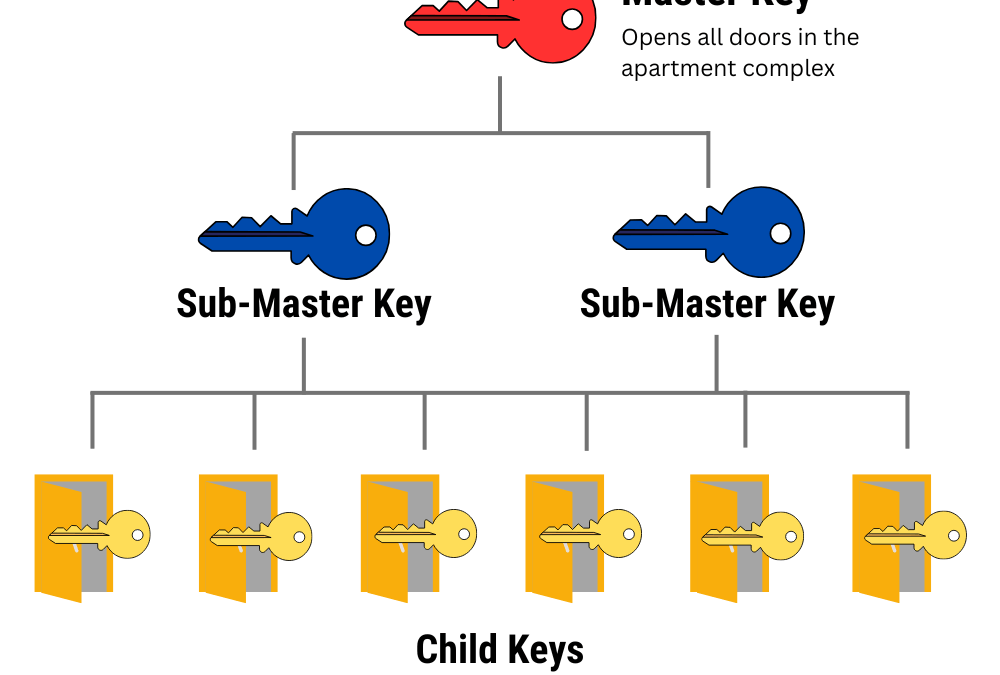
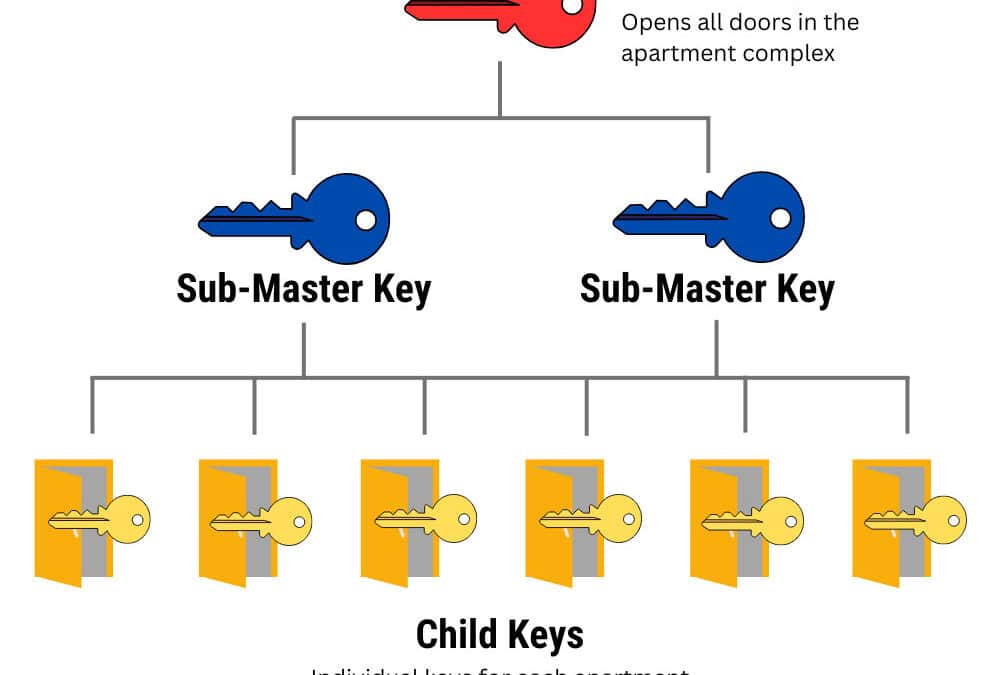
Have you ever wondered why it is that a single master key can open any of the locks in your entire apartment complex, while the one you have will only open your apartment door, and possibly the main entrance door to the building? While this specific scenario highlights a master key setup in an apartment complex, the same situation could be true with any number of other commercial and residential lock-and-key configurations.

The answer to the ‘one key, many locks’ question lies in a very clever arrangement of the components which comprise a lock and key system – but the same principle which allows that kind of master key access is also what makes this model vulnerable to a security breach if engineered by a skillful and knowledgeable criminal. Here’s why all that is true.

How Master Locks Work

Most locks are constructed using design concepts that are fairly uniform in the industry, the most common of which is the cylinder lock. With this kind of design, the key turns a cylinder which is attached to a cam, which then also gets turned. When the cylinder is turned in one direction, the cam or plug, causes the door to open by pulling in on the bolt. When the cylinder is turned in the opposite direction, the bolt is released by the cam and is snapped into place to prevent the door from opening.

Another common type of lock is the pin and tumbler design, which features a series of small pins, each having different lengths. These pins are separated into pairs, with each pair situated in a shaft that goes through the central cylinder cam, and on into the housing. The pairs of pins are kept in position by springs situated at the top of the shafts.

Before key insertion, the bottom end of each pair rests totally inside the plug, and the topside pin stays halfway inside the plug and halfway within the housing. The position of the upper pin is what prevents the plug from being turned because the plug is bound to the housing by the pins.

The fundamental principle which makes any master key system functional is that there are extra pins in the cylinder of the lock, and these allow for several differently shaped keys to achieving a compatible alignment with all sets of pins that they extend into.

Do You Need a Master Key System?

If you need a master key system to be installed at your home or place of business, the first call you should make is to a highly reputable commercial locksmith or residential locksmith in your area.

As mentioned earlier, some master key systems are more easily breached than others, because clever criminals can reverse engineer the system of pins in the cylinder to create their own master key. An expert locksmith can discourage this kind of criminal breach of security with a professionally designed master key system.

Call Now Button